
Disclosure: If you click any of our affiliate links and make a purchase, we will earn a commission (at no extra cost to you).

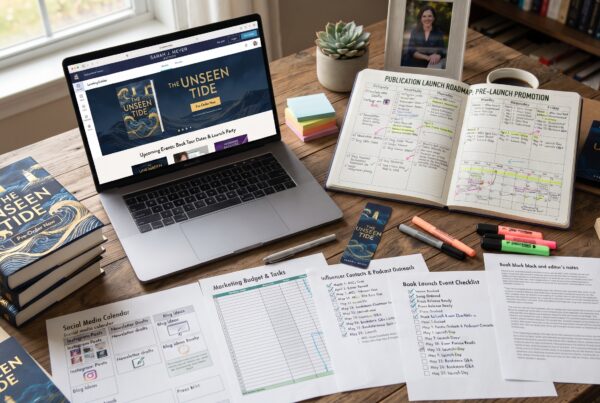
The right tools help us organize the work behind every book.
Writing a book is a creative undertaking, but running an author business involves much more than putting words on a page. We may need to track expenses, organize manuscripts, manage deadlines, create marketing materials, communicate with readers, and keep publishing records organized. Without a workable system, these responsibilities can quickly become overwhelming, particularly when we are managing everything ourselves.
At TrailHawk Publishing, we believe authors do not need an expensive collection of software to build a professional publishing operation. We need tools that solve real problems, fit our budgets, and help us spend more time on work that moves our businesses forward.
Whether we are preparing to publish our first book or managing a growing catalog, the right tools can make our workflow more consistent. Here are the essential tools to consider when building an author business, along with guidance on which ones deserve our attention first.
1. A Reliable Writing and Manuscript Management Tool
Our manuscript is the foundation of our publishing business, so we need a dependable place to write, revise, and store our work. The best choice depends on our writing style, the complexity of our projects, and whether we collaborate with editors or other professionals.
Microsoft Word and Google Docs are familiar options for drafting and editing. Word is widely used for manuscript preparation and supports document formatting, comments, and tracked changes. Google Docs makes collaboration convenient because authorized collaborators can work on a shared document, leave comments, and suggest edits.
Authors who work on long or complex projects may prefer a dedicated writing application. Scrivener is designed to help writers organize large projects into smaller sections, rearrange material, and keep research alongside their drafts. It can be particularly useful for novels, nonfiction books, and series with extensive notes, although it takes some time to learn.
We should choose one primary writing environment rather than constantly moving manuscripts between applications. We also need a reliable backup routine, since a writing tool alone does not guarantee that our work is protected from accidental deletion, account problems, or device failure.
2. A Cloud Storage and Backup System
Running an author business means managing more than manuscripts. We may have cover files, formatted interiors, contracts, invoices, research, illustrations, marketing graphics, and multiple versions of a book. Losing track of these files can lead to unnecessary expense and frustrating delays.
Cloud storage services such as Google Drive, Microsoft OneDrive, and Dropbox can help us access files across devices and share specific documents with collaborators. We can organize our folders by book title and create separate subfolders for drafts, editing, final interiors, cover artwork, marketing, and publishing records.
For example, we might label our approved production files with clear names such as BookTitle_FinalInterior_2026-10.pdf and BookTitle_FinalCover_2026-10.pdfA consistent naming system makes it easier to identify the correct version when several files look nearly identical.
Cloud storage should not be our only safeguard. Synchronization can also synchronize unwanted changes or deletions, and access to an account can be disrupted. We should keep an additional backup of important files on a separate drive or another secure location and periodically confirm that we can restore what we need.

Organized files make it easier to manage revisions and prepare books for publication.
3. A Project Management Tool for Publishing Deadlines
Publishing involves a series of connected tasks, and many of them must happen in a particular order. We may need to finish revisions before formatting, approve the cover before preparing promotional graphics, and review the final files before uploading them to a publishing platform.
A project management tool helps us see what needs to happen next without relying entirely on memory. Trello offers a visual board-based approach, while Notion can combine task lists, notes, and project documentation. A spreadsheet or paper planner may be enough for authors who prefer a simpler system.
We can create a board for each book with columns such as “To Do,” “In Progress,” “Waiting for Feedback,” and “Complete.” Individual cards can hold deadlines, checklists, links to files, and notes about decisions. For a series, we can also maintain a catalog tracker showing each title’s stage of development.
The goal is to create a system we will actually use. A complicated workspace that requires hours of maintenance can become another unfinished project, so we should begin with a basic checklist and add features only when a recurring problem makes them necessary.
Authors who are still working toward completing their first manuscript may also benefit from our article on “Why So Many Writers Never Finish Their First Book.” A manageable workflow can help us move from intention to completed work.
4. Financial Tracking and Bookkeeping Tools
An author business needs financial records, even when we are earning little or no income at first. Tracking expenses helps us understand what publishing actually costs, evaluate whether projects are financially sustainable, and prepare for tax reporting.
We can begin with a spreadsheet that records income, expenses, dates, payment methods, vendors, and the book or business activity associated with each transaction. Common expense categories might include editing, cover design, formatting, software, advertising, website hosting, printing, and professional services.
As the business grows, bookkeeping software may make it easier to categorize transactions, reconcile accounts, and generate financial reports. The appropriate choice depends on the complexity of our finances and the features we need. We should compare subscription costs before committing, especially if a simple spreadsheet currently meets our needs.
We should also keep invoices, receipts, royalty statements, and relevant business documents in an organized location. Tax treatment depends on our circumstances and applicable rules, so we should not assume every purchase is deductible simply because it relates to writing. A qualified tax professional can help us understand which records to maintain and how to report our business activity.
One important habit is to review the numbers regularly instead of waiting until tax season. A brief monthly review can help us notice recurring subscriptions, unexpected production costs, or marketing expenses that are not delivering the results we hoped for.

Tracking publishing expenses helps us understand the true cost of running an author business.
5. Book Design and Production Tools
A professional reading experience depends on both the manuscript and how it is presented. Depending on the format and publishing platform, we may need to prepare an ebook file, a print interior, a cover, or supplementary graphics.
For authors who create low-content books, workbooks, journals, or planners, Book Bolt provides tools aimed at the low-content publishing market. Authors should review its current features and pricing to determine whether it fits their workflow. If you choose to subscribe through this link, use code TRAILHAWK to receive the offered 20% discount, subject to the provider’s current terms.
For visual assets and design resources, Creative Fabrica offers graphics, fonts, and other creative resources. Before using any downloaded asset in a book or commercial product, we need to read the applicable license and confirm that our intended use is permitted. A resource being available to download does not automatically mean it can be used in every commercial context.
We may also decide to hire a specialist for a cover or interior design. MiblArt offers book cover design services, while marketplaces such as Fiverr and Upwork can help us explore freelance services. Before paying, we should review portfolios, confirm the deliverables, clarify revision limits, and check that the final files will meet the requirements of our intended publishing platform.
We do not have to purchase every design tool or outsource every task. We simply need to recognize which production steps we can handle confidently and where professional help may improve the result.
6. Keyword Research and Book Discovery Tools
A book can be well written and professionally designed yet remain difficult for readers to find. Research tools can help us understand how books are categorized, what readers search for, and how our titles fit into their markets.
For authors publishing through Amazon, Publisher Rocket is a tool designed to support book keyword and category research, along with related market research features. We should use research results as guidance rather than treating estimates as guarantees of ranking or sales.
We can also conduct basic research manually by browsing relevant book categories, reading descriptions of comparable titles, and noting the language readers use in reviews. The aim is to understand how readers describe their interests and what expectations are common in our genre or subject area.
Our metadata should accurately represent the book. Keywords and categories are useful when they help readers discover a relevant title, but misleading terms can create the wrong expectations and frustrate potential buyers. We should also revisit our research when we publish a new edition or release another book in a series, since the competitive landscape can change.
7. A Website and Email List for Building Reader Relationships
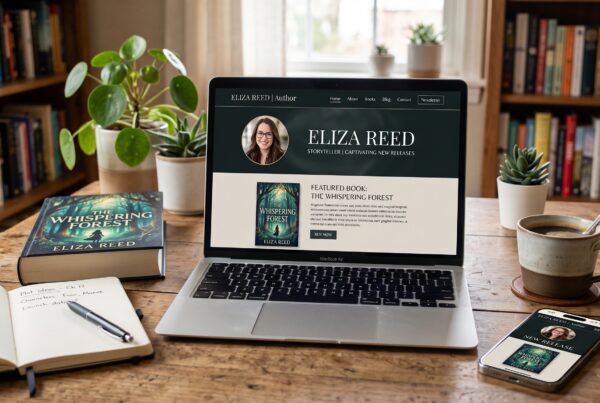
Social media can help readers discover us, but we may not control changes to a platform’s rules, reach, or features. An author website gives us a central place to present our books, share information about our work, and direct readers to purchase options.
A simple website can include an author biography, book pages, contact information, and a newsletter sign-up. We do not need to launch with dozens of pages. We need a clear, useful destination that makes it easy for visitors to understand who we are and what we publish.
An email list can help us maintain contact with readers who have chosen to hear from us. Depending on the email service we use, we may be able to send newsletters, announce new releases, share behind-the-scenes updates, or offer a relevant free resource. We should obtain consent, provide a clear unsubscribe option, and follow applicable email marketing and privacy requirements.
We should also set expectations before inviting people to subscribe. A useful freebie, such as a reading guide, checklist, or bonus story, can give readers a clear reason to join. Afterward, we should send messages that offer genuine value instead of contacting subscribers only when we want to sell something.
For more guidance on building our online presence, read our post on “15 Author Website Must-Haves in 2026.” A website and email list can become useful long-term assets when we maintain them consistently.
8. A Simple Content Creation and Marketing System
Marketing can become time-consuming when we create every post, graphic, and announcement from scratch. A reusable content system helps us plan ahead and communicate consistently without allowing promotion to consume every writing session.
We can use a calendar or spreadsheet to plan topics, publication dates, platforms, and calls to action. A design tool such as Canva can help us create social graphics, quote cards, and promotional images from reusable templates. We should check the current plan and licensing terms before using any template or asset in commercial materials.
Our content should connect naturally to the books we publish. A mystery author might share reading recommendations, character inspiration, or insights into the writing process. A nonfiction author might publish practical tips related to the book’s subject. The purpose is to provide readers with something useful or interesting while helping them become familiar with our work.
We can also reuse ideas in different formats. A blog post might become a short social caption, a newsletter topic, and a series of smaller posts. Repurposing content saves time, provided we adapt it to each platform instead of copying the same message everywhere without considering the audience.

A simple content calendar can make book promotion more consistent and manageable.
Start With the Tools That Solve Your Biggest Problems
We do not need to purchase every tool mentioned here to run an author business. Too many subscriptions can drain our budget and create extra work, particularly when we are still learning which activities matter most.
Instead, we can begin with a dependable writing tool, a backup system, a simple project tracker, and a way to record income and expenses. As our publishing activity grows, we can add design software, keyword research, email marketing, or bookkeeping features when there is a clear reason to do so.
Before subscribing to a new service, we should ask three questions: What specific problem will this solve? Can we solve that problem with a tool we already have? Will the time or value saved justify the cost? These questions can prevent us from buying software because it looks impressive or because another author recommends it.
Running an author business requires organization, learning, and regular decisions about where our time and money should go. The right tools can reduce friction, but they work best when they support a clear process and realistic goals.
At TrailHawk Publishing, we encourage authors to build their systems gradually, protect their creative time, and invest in tools that support the next stage of their publishing journey.
Which tool has made the biggest difference in your author business, or which part of running your business do you still need help organizing? Share your experience in the comments.
Our Affiliate Links:
- Miblart – cover designs and other services
- Bookshop – curated book lists
- Scrivener – writing workflow
- Fiverr – find freelance talent
- Book Bolt – keyword search
- Publisher Rocket – keyword/category search
Our Referral Links:
- Upwork – more freelance talent
- Printful – print-on-demand merch
- Creative Fabrica – fonts and images
Join our community! Follow @TrailHawkPublishing for publishing tips and behind-the-scenes updates: