Disclosure: If you click any of our affiliate links and make a purchase, we will earn a commission (at no extra cost to you).
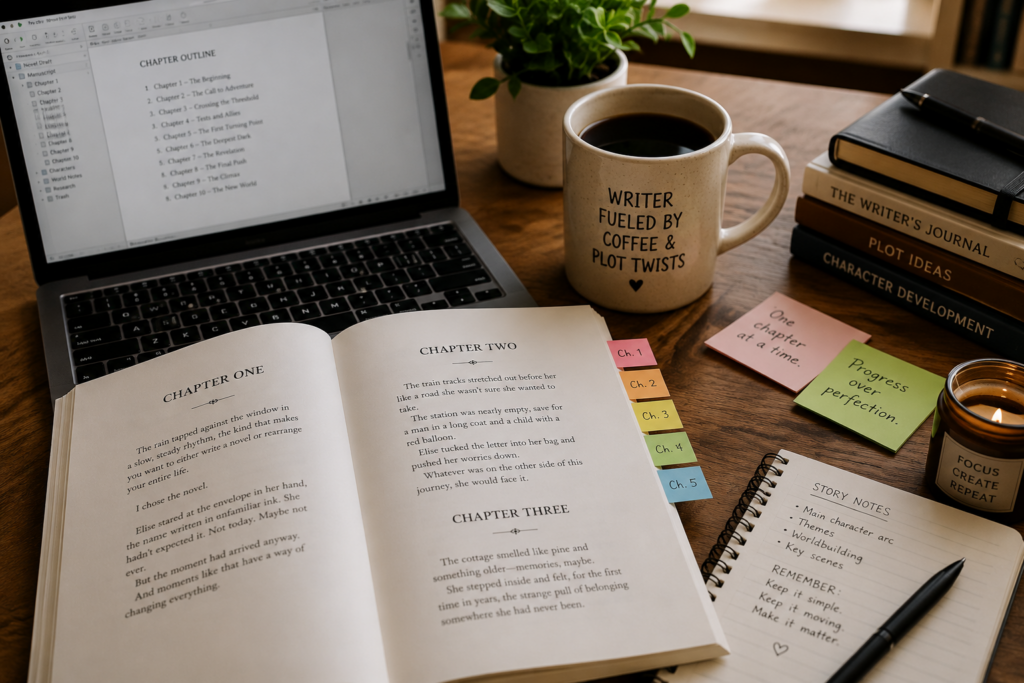
Chapter length matters less than pacing, structure, and reader engagement.
One of the most common questions new writers ask is: “How long should my chapters be?”
It makes sense why this question causes anxiety. Chapter length feels strangely important when we are drafting a book. Many of us start comparing our work to bestselling novels, wondering whether our chapters are too short, too long, too fast-paced, or too slow.
The good news is that there is no universal rule for chapter length.
The better news is that readers care far more about pacing, clarity, and engagement than they do about hitting a specific word count target.
Some bestselling books contain chapters that are only a few pages long. Others contain chapters that stretch for dozens of pages. Both approaches can work well when they fit the story being told.
Instead of searching for a “perfect” chapter length, we should focus on understanding why chapters exist and how they shape the reading experience.
What Is the Average Chapter Length?
Most book chapters fall somewhere between 1,500 and 5,000 words.
That range covers a huge portion of commercial fiction and nonfiction publishing. However, averages vary significantly depending on genre, audience, pacing style, and author preference.
Here are some general chapter length patterns:
- Young Adult Fiction: Often 1,500 to 3,000 words
- Thrillers: Frequently shorter chapters around 1,000 to 2,000 words
- Fantasy and Historical Fiction: Often 3,000 to 6,000+ words
- Romance: Commonly 2,000 to 4,000 words
- Nonfiction: Highly variable depending on structure and topic
Short chapters often create momentum and urgency. Longer chapters allow deeper immersion, world-building, and character development.
Readers rarely notice exact word counts while reading. What they do notice is pacing.
Readers Experience Chapters Emotionally
Chapters are not just containers for word counts.
They influence how readers emotionally experience a story.
Short chapters can:
- create tension
- increase reading speed
- encourage “just one more chapter”
- make books feel fast-paced
- help overwhelmed readers feel progress quickly
Longer chapters can:
- create immersion
- allow complex scenes to breathe
- deepen emotional development
- support detailed world-building
- slow pacing intentionally
This is why thriller novels often use shorter chapters while epic fantasy tends to favor longer ones.
Neither approach is automatically better.
The structure should support the reading experience we want readers to have.
Genre Expectations Matter More Than Arbitrary Rules
Genre heavily influences reader expectations.
If we open a psychological thriller and discover 40-page chapters, the pacing may feel unusually slow even if the writing itself is strong.
Meanwhile, fantasy readers often expect more detailed scenes and are generally more comfortable with longer chapters.
Understanding genre conventions can help us make smarter structural decisions.
This is one reason many indie authors research successful books in their category before finalizing their manuscripts. Platforms like Publisher Rocket can help authors analyze categories and reader trends on Amazon to better understand what audiences expect within specific genres.
Studying comparable books is not about copying other authors. It helps us understand pacing patterns readers are already familiar with.
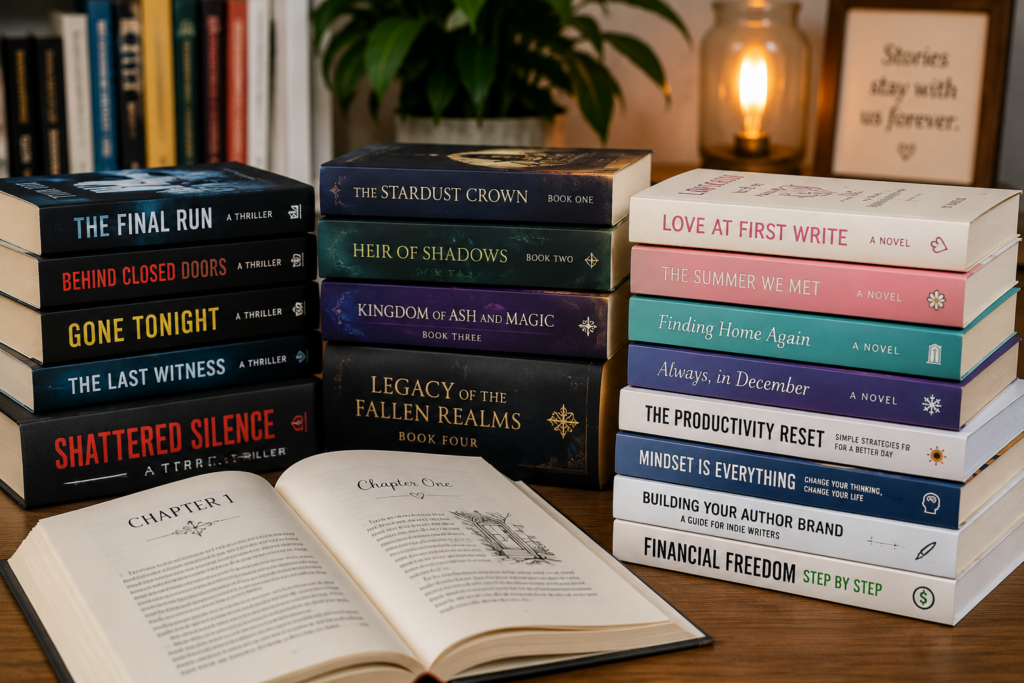
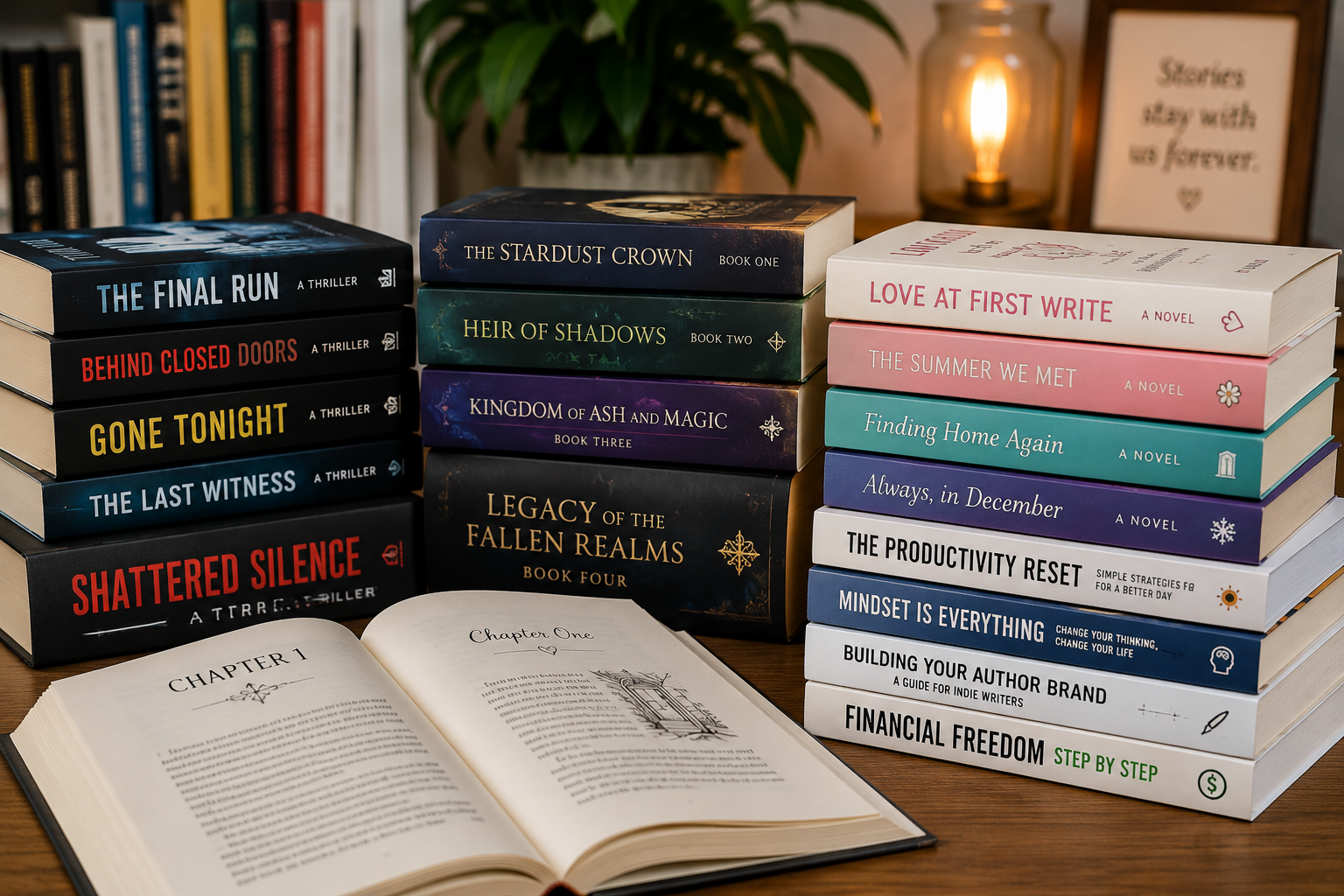
Reader expectations vary significantly across genres like thriller, fantasy, and romance.
Some Chapters Need To Be Short
One mistake many writers make is forcing chapters to become longer than necessary because they fear short chapters look “unprofessional.”
In reality, forcing extra content into a chapter often damages pacing.
Sometimes a chapter only needs 800 words.
Sometimes it needs 5,000.
A chapter should be long enough to accomplish its purpose and short enough to maintain momentum.
For example:
- an emotional confrontation may require several pages
- a shocking reveal may work best in a very short chapter
- action scenes often benefit from faster pacing
- exposition-heavy sections may need breaks to avoid reader fatigue
Readers are much more sensitive to boring chapters than uneven chapter lengths.
Why Extremely Long Chapters Can Become Difficult
While there is flexibility in chapter length, extremely long chapters can create challenges for some readers.
Modern reading habits have changed significantly because of phones, apps, social media, and digital reading platforms.
Many readers consume books in shorter sessions throughout the day:
- during lunch breaks
- before bed
- while commuting
- between responsibilities
Very long chapters can feel mentally exhausting, especially in ebooks.
Some readers use chapters as natural stopping points. If a chapter takes 45 minutes to finish, they may struggle to find convenient places to pause.
This does not mean long chapters are wrong.
It simply means we should think intentionally about reader experience.
Breaking up very long chapters with scene breaks can sometimes help maintain readability without sacrificing depth.
Chapter Length Impacts Pacing More Than Quality
Writers sometimes assume chapter length determines whether a book feels “professional.”
That is rarely true.
Pacing matters far more.
A 10-page chapter that feels engaging will hold reader attention better than a 3-page chapter filled with repetitive exposition.
Strong pacing depends on:
- scene structure
- tension
- clarity
- emotional progression
- character motivation
- information flow
This is one reason outlining can become extremely valuable during drafting.
Writing tools like Scrivener help many authors organize chapters, rearrange scenes, and visualize pacing more clearly during revisions.
When we can see the structure of the entire manuscript, chapter balance becomes easier to evaluate.
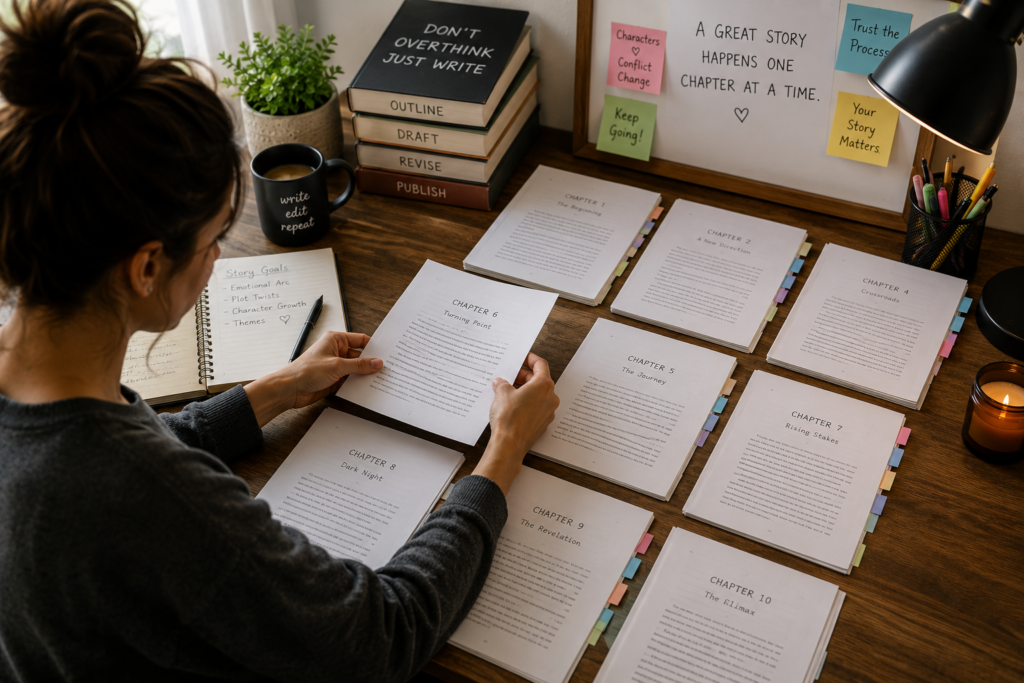
Strong pacing matters more than rigid chapter word counts.
Nonfiction Chapters Work Differently
Nonfiction chapter structure often follows educational flow rather than dramatic pacing.
Readers usually expect nonfiction chapters to focus on:
- one primary concept
- one stage of a process
- one lesson
- one major topic
Because of this, nonfiction chapter lengths vary heavily depending on complexity.
A practical guidebook may use short digestible chapters for readability. A deep research-based book may require significantly longer sections.
Formatting also matters heavily in nonfiction.
Subheadings, bullet points, visuals, and spacing all improve readability. Many authors use design assets and formatting tools from Creative Fabrica to create more visually polished nonfiction layouts, planners, workbooks, and companion materials.
New Writers Often Obsess Over The Wrong Thing
Many of us spend too much time worrying about technical rules before finishing the manuscript.
We start researching:
- chapter length
- chapter titles
- ideal word counts
- publishing trends
- formatting rules
Meanwhile the actual draft remains unfinished.
This is extremely common among first-time authors.
We discussed similar creative roadblocks in our article “Why So Many Writers Never Finish Their First Book,” where we explored how perfectionism and overthinking can quietly prevent writers from making progress.
Readers care most about whether a story keeps them emotionally invested.
A compelling chapter that feels natural will almost always outperform a perfectly calculated chapter length.
Digital Reading Has Changed Reader Preferences
Ebooks and subscription reading platforms have influenced pacing trends over the past decade.
Shorter chapters often perform well digitally because they create fast momentum and increase perceived progress.
This is especially visible in:
- thrillers
- romance
- contemporary fiction
- serialized fiction
However, longer immersive chapters still thrive in genres where readers expect deeper world-building and slower pacing.
The key is understanding the audience we are writing for rather than blindly following internet advice.

Many readers consume books in shorter reading sessions throughout the day.
How To Know If Your Chapters Are Working
Instead of counting words obsessively, we can ask better questions during revisions:
-
Does the chapter accomplish a clear purpose?
-
Does the pacing feel engaging?
-
Does the chapter end in a way that encourages continued reading?
-
Does the chapter contain unnecessary filler?
-
Does the structure feel natural?
-
Would splitting or combining chapters improve flow?
Beta readers can also provide valuable feedback here.
If multiple readers mention pacing problems, chapter structure may need adjustment.
Hiring freelance beta readers, editors, or developmental editors through platforms like Upwork or Fiverr can help authors identify structural issues before publication.
Final Thoughts

Readers remember emotional impact more than chapter word counts.
There is no universally “correct” chapter length.
Good chapters are shaped by pacing, genre, emotional impact, and reader experience rather than rigid word count rules.
Some chapters need space to breathe. Others work best when they move quickly.
The goal is not making every chapter identical, but to keep readers engaged.
As writers, we often search for certainty in technical rules because creative work feels vulnerable. Chapter length becomes one more thing we try to control while navigating the larger uncertainty of storytelling.
But readers rarely finish books because every chapter contained the perfect number of words.
They finish books because the story made them feel something.
For more publishing tips and writing resources, explore the rest of the articles on TrailHawk Publishing’s blog and browse recommended reads through our Bookshop storefront.
Our Affiliate Links:
- Miblart – cover designs and other services
- Bookshop – curated book lists
- Scrivener – writing workflow
- Fiverr – find freelance talent
- Book Bolt – keyword search
- Publisher Rocket – keyword/category search
Our Referral Links:
- Upwork – more freelance talent
- Printful – print-on-demand merch
- Creative Fabrica – fonts and images
Join our community! Follow @TrailHawkPublishing for publishing tips and behind-the-scenes updates: