
Disclosure: If you click any of our affiliate links and make a purchase, we will earn a commission (at no extra cost to you).
Choosing a pen name is one of the most personal and strategic decisions an author can make. Whether you are writing fiction, nonfiction, journals, or workbooks, your author name becomes part of your brand. It shapes reader expectations, affects discoverability, and can even influence sales.
A pen name is not about hiding who you are. It is about choosing how you show up in the literary world.
This guide walks through how to choose a pen name thoughtfully, legally, and strategically, while setting yourself up for long term success.
Why Authors Choose Pen Names
Authors choose pen names for many reasons. Some want privacy, especially if they write about sensitive topics. Others want to separate genres, such as using one name for self help journals and another for fiction. Some authors simply want a name that better matches their target audience.
For example, romance, fantasy, and self help readers often have very different expectations when they see an author name on a book cover. A pen name can help signal genre, tone, and audience alignment before a reader ever reads the description.

Brainstorming potential pen names can help clarify your author identity.
Start With Your Genre and Audience
Before choosing a pen name, get clear on what you write and who you write for. A fantasy author name often feels very different from a nonfiction or journal author name.
Ask yourself:
-
Does this name sound appropriate for my genre?
-
Would my ideal reader feel drawn to this name?
-
Does it feel timeless rather than trendy?
Browsing books in your genre can help. A curated list from Bookshop.org is a great way to study naming patterns while supporting independent bookstores. You can explore similar authors and see what kinds of names resonate with readers in your niche.
👉 https://bookshop.org/shop/trailhawkpublishing
Research Availability Before You Fall in Love With a Name
Once you have a few pen name ideas, research them thoroughly.
Check:
-
Amazon author search results
-
Google search results
-
Social media handles
-
Domain name availability
You want to avoid confusion with an existing author, especially one writing in the same genre. This protects your brand and helps with SEO.
If you plan to self publish on Amazon KDP or distribute widely, consistency matters. A unique pen name makes it easier for readers to find you across platforms.
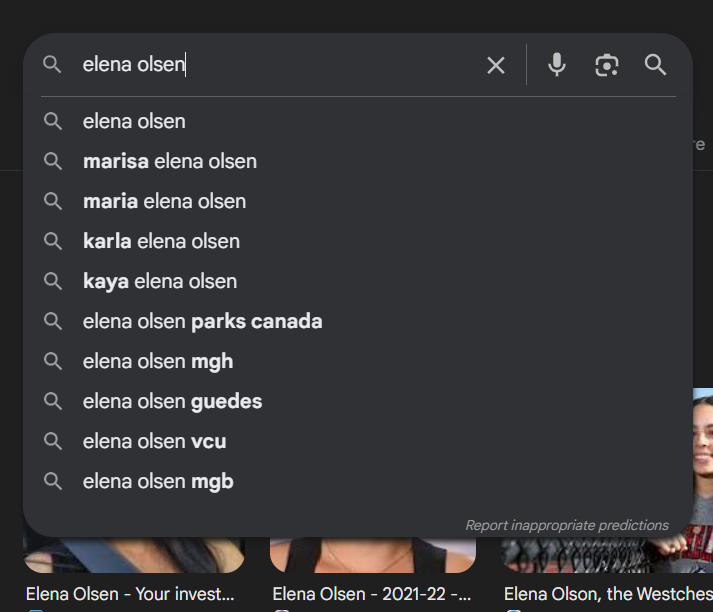
Researching a name on Google.
Understand the Legal and Publishing Side
Using a pen name is legal, but you still publish contracts and tax forms under your real name. Platforms like Amazon KDP allow pen names, but you must provide accurate personal information behind the scenes.
If you plan to purchase your own ISBNs in the United States, Bowker is the official source. ISBN ownership does not require your real name to appear publicly, but Bowker records do tie the ISBN to you or your publishing imprint.
For authors outsourcing tasks like formatting, cover design, or keyword research, platforms like Upwork and Fiverr make it easy to work under your pen name while maintaining legal clarity behind the scenes.
👉 https://join.upwork.com/m5GNiM0
👉 https://go.fiverr.com/visit/?bta=1143471&brand=fiverrmarketplace
Think Long Term About Branding
A pen name should grow with you. Ask yourself if this name would still work if:
-
You release multiple books
-
You expand into workbooks or journals
-
You build an email list or brand website
Writing tools like Scrivener can help you organize projects across pen names if you write in multiple genres. Many authors keep separate Scrivener folders for each author identity.
👉 https://www.literatureandlatte.com/scrivener-affiliate.html?fpr=trailhawkpublishing

Flat lay image of a laptop, coffee, and manuscript labeled with a pen name.
SEO Considerations for Pen Names
Your pen name becomes a keyword. Choose a name that is easy to spell, easy to pronounce, and easy to remember. Avoid unusual punctuation or numbers.
Once selected, use your pen name consistently:
-
Author bio
-
Book descriptions
-
Social media profiles
-
Author website
-
Metadata fields in publishing platforms
Tools like Publisher Rocket and Book Bolt can help you research how your author name appears in Amazon search results and whether similar names already dominate the space.
👉 https://trailhawkpublishing–rocket.thrivecart.com/publisher-rocket/
👉 https://bookbolt.io/8053.html
Creative Ways to Test a Pen Name
Before committing fully, try:
-
Creating mock covers with your pen name
-
Writing a short author bio
-
Asking trusted readers for feedback
-
Visualizing your name on a book spine
Design resources from Creative Fabrica can help you create temporary mockups or branding assets without spending much money.
👉 https://www.creativefabrica.com/ref/16897854/
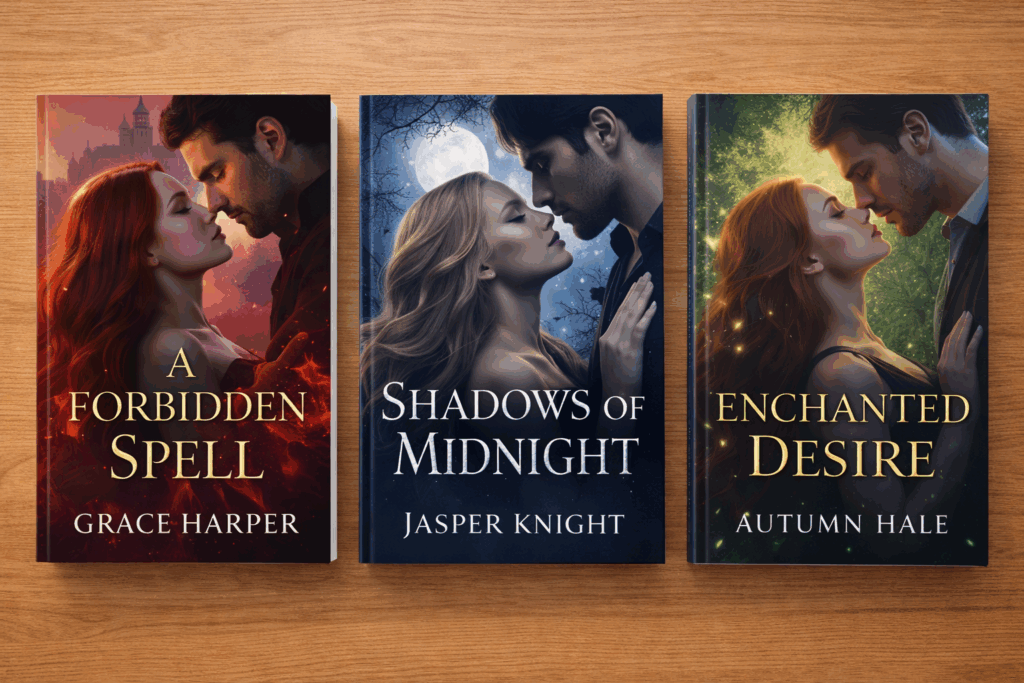
Mock book covers with different pen names displayed side by side.
Final Thoughts on Choosing the Right Pen Name
Choosing a pen name is both creative and strategic. The right name aligns with your genre, protects your privacy if needed, supports discoverability, and gives you confidence as an author.
Take your time. Research thoroughly. Think long term. When chosen thoughtfully, a pen name does not limit you. It empowers you.
Your name tells a story before the first page is ever read.
Our Affiliate Links:
- Miblart – cover designs and other services
- Bookshop – curated book lists
- Scrivener – writing workflow
- Fiverr – find freelance talent
- Book Bolt – keyword search
- Publisher Rocket – keyword/category search
Our Referral Links:
- Upwork – more freelance talent
- Printful – print-on-demand merch
- Creative Fabrica – fonts and images
Join our community! Follow @TrailHawkPublishing for publishing tips and behind-the-scenes updates: