Disclosure: If you click any of our affiliate links and make a purchase, we will earn a commission (at no extra cost to you).
If you are serious about publishing books, whether independently or through a small press, understanding ISBNs is essential. An ISBN is more than just a barcode on the back of a book. It plays a critical role in discoverability, distribution, credibility, and long term control of your publishing career. Many new authors overlook ISBNs early on and later regret it when scaling their catalog or expanding into bookstores and libraries.
This guide explains what ISBNs are, why they matter, and how they fit into a professional publishing strategy.
What Is an ISBN?
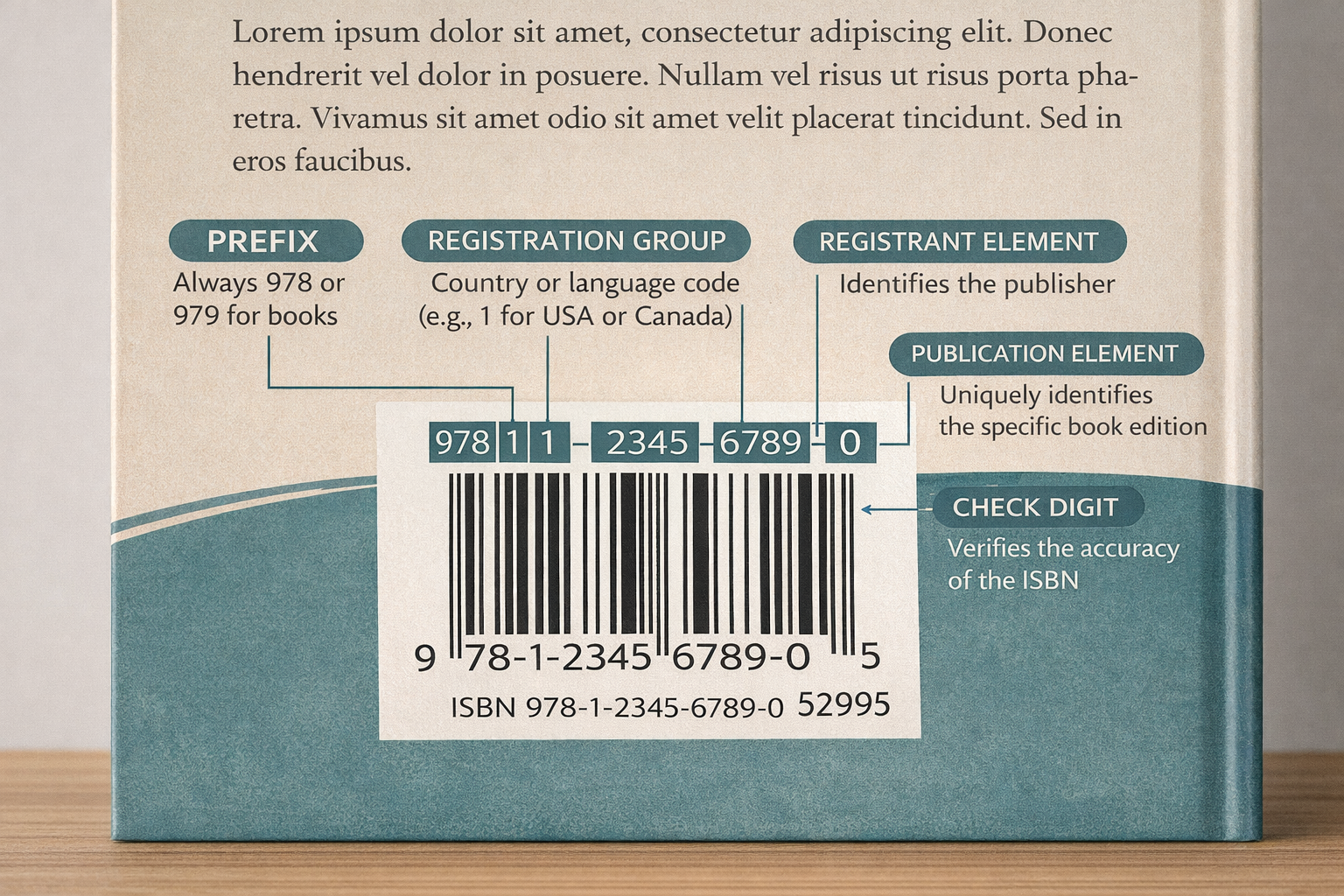
ISBN stands for International Standard Book Number. It is a unique 13 digit identifier assigned to a specific book format and edition. Each ISBN is tied to metadata such as the book title, author name, publisher, trim size, and format.
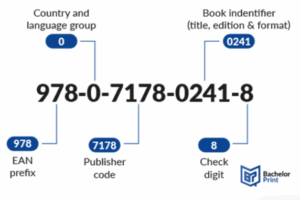
Image showing example ISBN and an explanation of each component from Bachelorprint.com
It is important to note is that every format of a book requires its own ISBN. Paperback, hardcover, ebook, and audiobook versions all count as separate products in the publishing ecosystem.
Why ISBNs Matter for Authors
ISBNs exist to help books move through global supply chains. Retailers, distributors, wholesalers, and libraries rely on ISBNs to catalog and order books accurately. Without one, your book becomes difficult to track or stock outside of limited online marketplaces.
Here are the 3 main reasons ISBNs matter:
- Professional credibility
Books with ISBNs are taken more seriously by reviewers, bookstores, and libraries. An ISBN signals that the book is a legitimate commercial product rather than a personal project. - Distribution access
Many brick and mortar bookstores and library systems require ISBNs for ordering. If you want your book available beyond a single platform, an ISBN is often mandatory. - Metadata control
Owning your ISBN allows you to control how your book is listed across databases. This includes author name, imprint, and publisher identity.
Free ISBNs vs Purchasing Your Own
Some publishing platforms offer free ISBNs. While this can be tempting, there are tradeoffs.
When you use a free ISBN from a platform, that platform is listed as the publisher of record. This can limit where you can distribute the book and how it is perceived by retailers.
Purchasing your own ISBNs gives you full ownership and flexibility. You can publish under your own imprint, move your book between platforms, and expand into wholesale distribution without restrictions.
Many authors choose to purchase ISBNs once they are confident in their publishing goals and plan to release multiple titles.
ISBNs and Self Publishing Tools
ISBNs work best when paired with strong publishing infrastructure. For example, keyword research and category placement tools like Publisher Rocket help ensure that ISBN listed books are discoverable once they are live. You can explore Publisher Rocket here:
Check out Publisher Rocket now!
Book creation tools also play a role. Drafting and organizing manuscripts using Scrivener makes it easier to manage multiple editions that will later receive their own ISBNs:
Explore Scrivener’s tools here!
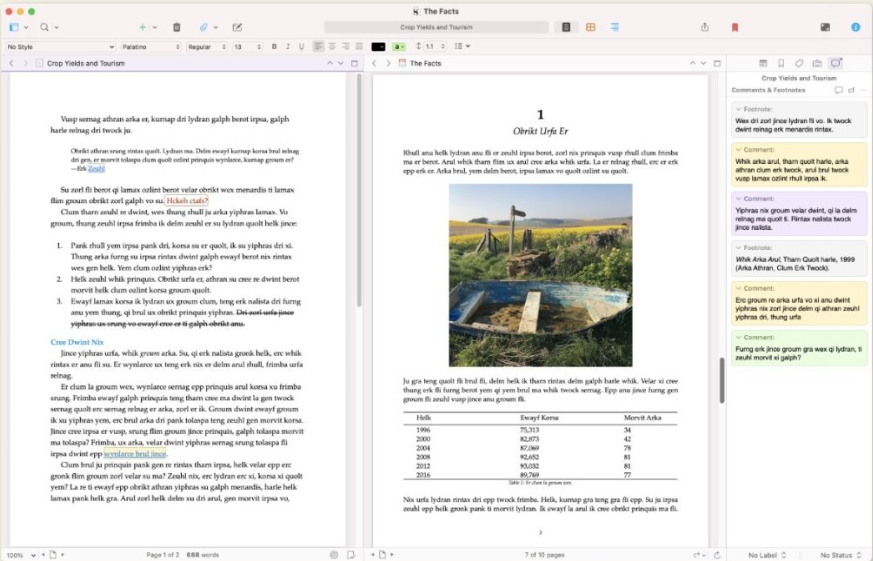
Example Scrivener overview
Cover Design and ISBN Presentation
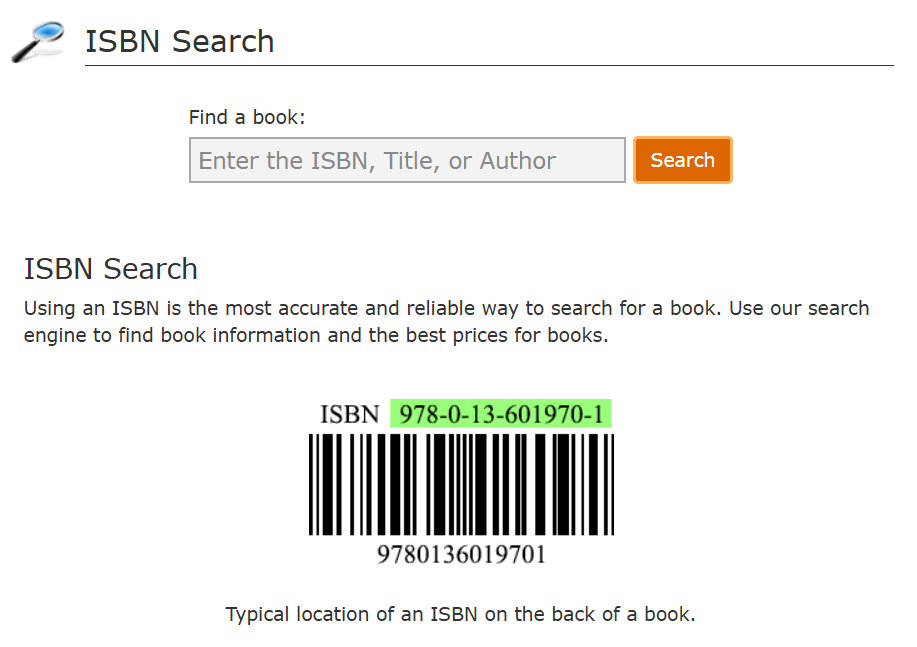
ISBNs are printed on book covers, usually embedded in a barcode. Poor cover design can make ISBN placement awkward or unprofessional. This is why working with experienced designers matters.
Professional cover designers, such as those found through Miblart, understand genre standards and proper layout, including barcode placement:
Discover Miblarts many services!
If you are hiring freelancers for design or formatting, platforms like Upwork and Fiverr offer access to specialists who work with ISBN compliant book files:
Find freelancers on Upwork!
Hire designers on Fiverr!
ISBNs for Print, Journals, and Low Content Books
Even journals, planners, and low content books benefit from ISBNs when sold outside a single platform. Tools like Book Bolt help creators design interiors and covers that meet print specifications tied to ISBN metadata:
Search Book Bolts toolls here!
If you are selling physical products that include books or printed inserts, services like Printful allow ISBN based books to be bundled with merchandise:
Explore Printful merchandise!
Selling ISBN Books Beyond Amazon
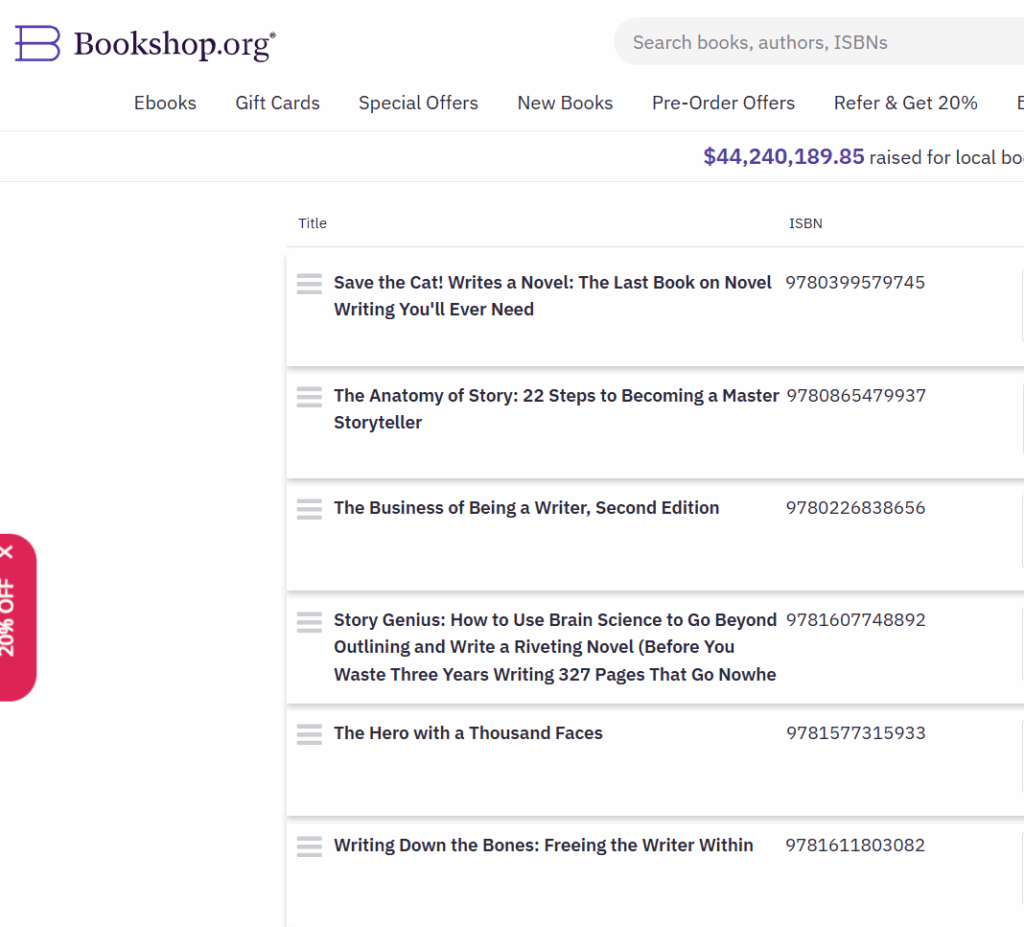
ISBNs enable sales through independent bookstores, libraries, and ethical online retailers. For authors interested in supporting indie book ecosystems, Bookshop.org is an excellent platform to explore:
Discover our Bookshop.org curated lists for authors!
Books listed with ISBNs integrate more easily into these alternative marketplaces.
Final Thoughts
ISBNs are not just numbers. They are foundational to building a scalable, professional publishing business. Whether you write novels, journals, or nonfiction, understanding ISBNs helps you maintain control, expand distribution, and protect your author brand.
When paired with the right tools, design support, and distribution strategy, ISBNs transform a book from a simple file into a globally recognized product.
If you are planning to publish more than one book, learning ISBNs early is one of the smartest decisions you can make.
Our Affiliate Links:
- Miblart – cover designs and other services
- Bookshop – curated book lists
- Scrivener – writing workflow
- Fiverr – find freelance talent
- Book Bolt – keyword search
- Publisher Rocket – keyword/category search
Our Referral Links:
- Upwork – more freelance talent
- Printful – print-on-demand merch
- Creative Fabrica – fonts and images
Join our community! Follow @TrailHawkPublishing for publishing tips and behind-the-scenes updates: