Disclosure: If you click any of our affiliate links and make a purchase, we will earn a commission (at no extra cost to you).
Keyword research is one of the most overlooked and misunderstood parts of self-publishing. Many authors finish a manuscript, upload it to Amazon, choose a few keywords that sound good, and hope the algorithm does the rest. Then when sales stall, frustration sets in.
The truth is that keyword research is not guesswork. It is a skill. When done correctly, it helps your book get discovered by the right readers at the right time.
In the video embedded below, you will see a practical walkthrough of keyword searching in action. This post goes deeper by explaining why those steps matter, how to evaluate keyword quality, and how to apply what you find across your book’s metadata, description, and long-term marketing strategy.
What Keyword Research Really Means for Authors
Keyword research for authors is about understanding how readers search for books. Readers rarely search for book titles unless they already know them. Instead, they search for problems, interests, themes, genres, and outcomes.
For example:
-
“guided journal for healing”
-
“Christian Bible study for women”
-
“fantasy novel with dragons”
-
“self help book for anxiety”
Your job as an author is to position your book so it appears when those searches happen.
This is not about tricking algorithms. It is about clarity and alignment.
Where Keywords Actually Live
One common mistake new authors make is thinking keywords only matter in one place. In reality, they influence multiple areas.
Keywords affect:
-
Amazon search visibility
-
Category relevance
-
Ads targeting
-
Book descriptions
-
Long-term discoverability
On Amazon KDP, keywords are entered in the backend metadata, but they should also appear naturally in your subtitle, description, and sometimes even your book cover design.
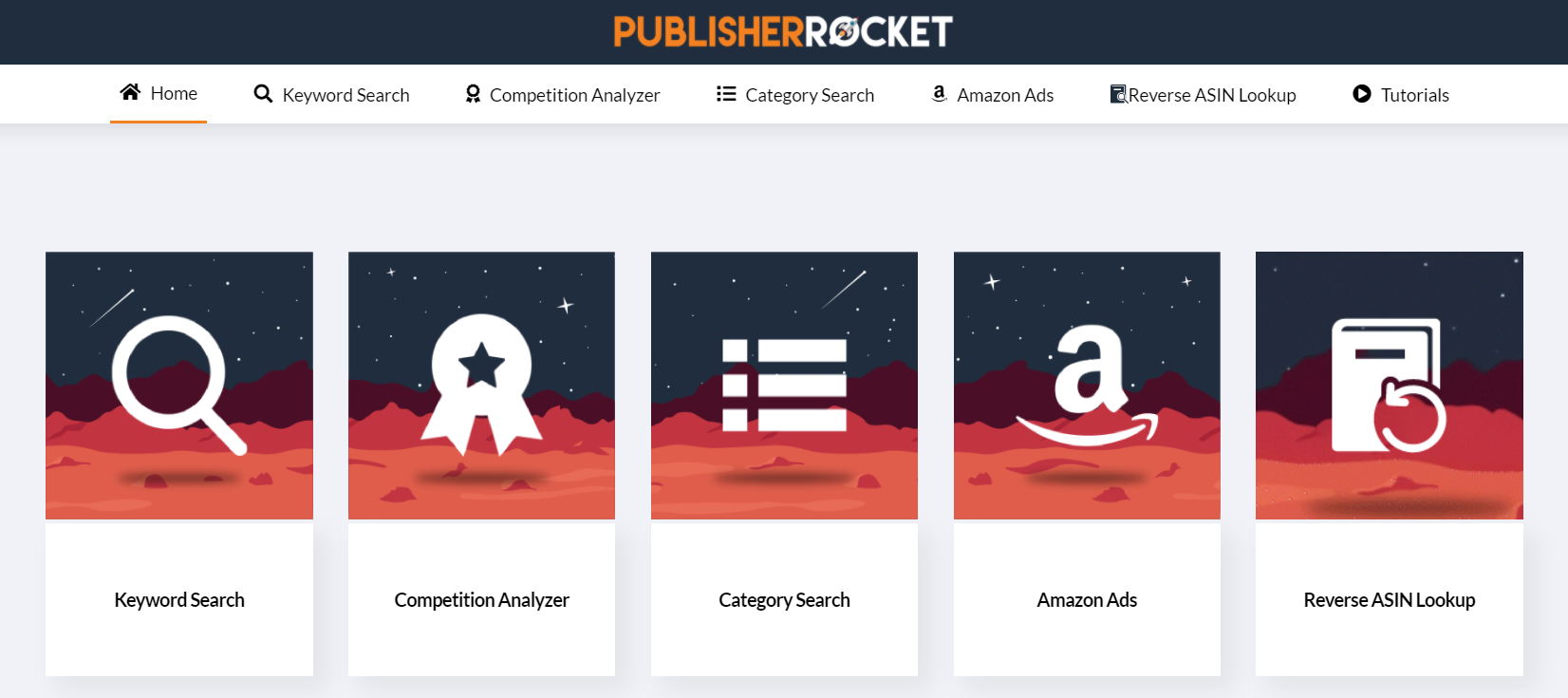
If this sounds overwhelming, tools like Publisher Rocket exist specifically to simplify this process for authors. It allows you to see search volume, competition, and related terms so you are not guessing.
Step One: Start With Reader Intent
Before touching any tool, start with intent.
Ask yourself:
What problem does my book solve?
Who is actively searching for something like this?
What words would they type into a search bar?
Write down 10 to 15 phrases without filtering yourself.
This step matters because keyword tools do not replace human understanding. They refine it.
Step Two: Validate Keywords Using Data
This is where keyword research tools come in.
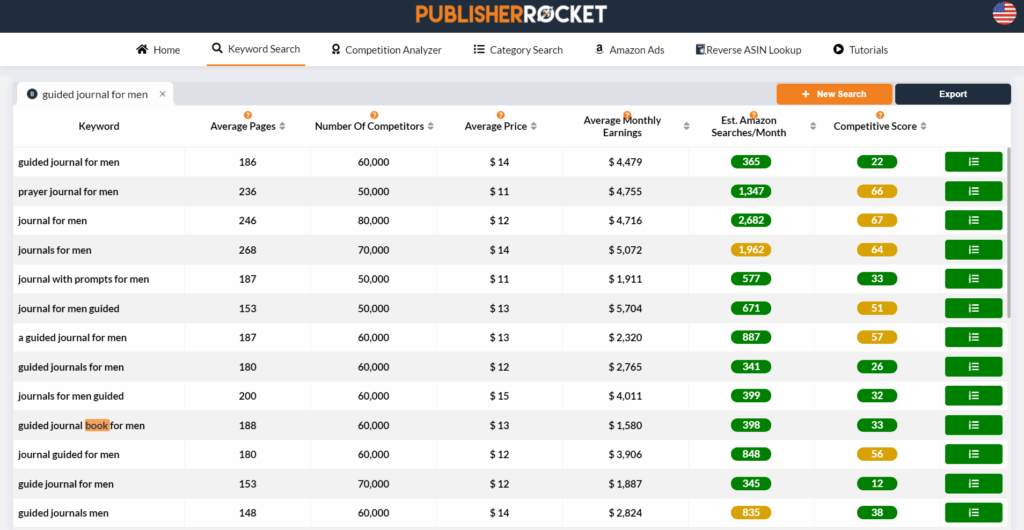
Publisher Rocket allows authors to:
-
Check search volume for book related keywords
-
See how competitive a keyword is
-
Identify long tail keyword opportunities
Long tail keywords are longer, more specific phrases. They usually have lower competition and higher buyer intent.
For example:
“journal” is broad and highly competitive
“guided healing journal for men” is specific and targeted
Choosing the second option often leads to better results, especially for new authors.
Step Three: Evaluate Competition the Smart Way
High search volume does not automatically mean a keyword is good.
You also need to evaluate who already ranks for that keyword.
Look at:
-
Top 10 books in search results
-
Their number of reviews
-
How established the authors are
-
Cover quality and pricing
If every top result has thousands of reviews and a major publisher behind it, ranking will be difficult. That does not mean impossible, but it may not be ideal for your primary keyword.
This is where patience and realism protect you from disappointment.
Step Four: Apply Keywords Strategically
Once you select your keywords, placement matters.
Best practices include:
-
Using primary keywords in your subtitle if appropriate
-
Including them naturally in your book description
-
Adding secondary keywords to backend metadata
-
Avoiding repetition or keyword stuffing
Your description should read like a human wrote it. Algorithms reward relevance, not awkward repetition.
If writing descriptions is not your strength, hiring help through Fiverr or Upwork can be a smart investment. Many freelancers specialize in Amazon optimized book descriptions and metadata.
Keywords and Categories Work Together
Keywords help Amazon understand where your book belongs.
Categories help Amazon decide who to show it to.
Keyword research often reveals hidden category opportunities. Some categories are accessible through keywords rather than manual selection.
This is covered lightly in other TrailHawk Publishing posts, but it is worth repeating because it is powerful when used correctly.
You can read more about strategic category selection in:
Both posts are available on www.trailhawkpublishing.com/blog.
Using Keywords Beyond Amazon
Keywords are not only for Amazon.
You can use the same research to:
-
Write SEO friendly blog posts
-
Create Pinterest pins
-
Build YouTube video titles
-
Plan social media content
-
Optimize your author website
This is where consistency builds momentum. One keyword strategy can power multiple platforms.
If you sell books directly or create companion materials, Printful can be used to design branded items that align with your keywords and audience interests.
What Keyword Research Will Not Do
Keyword research will not fix:
-
A poorly edited book
-
A confusing cover
-
Weak positioning
-
Misaligned audience expectations
It is a visibility tool, not a quality replacement.
If your cover needs improvement, revisit How to Choose the Perfect Book Cover on the TrailHawk Publishing blog. Keywords bring readers in, but covers close the click.
Common Keyword Mistakes to Avoid
A few final cautions:
-
Do not use competitor author names as keywords
-
Do not repeat the same word multiple times in backend fields
-
Do not choose keywords unrelated to your content
-
Do not rely on trends without long term relevance
Amazon monitors misuse, and short term tricks often lead to long term setbacks.
Bringing It All Together
The video you watched shows the mechanics of keyword searching. This post gives you the framework to use that information wisely.
Keyword research is not about chasing the algorithm. It is about understanding readers and meeting them where they already are.
When done well, keyword research becomes less stressful and more empowering. It gives you data, direction, and confidence in how you publish and market your work.
Our Affiliate Links:
- Miblart – cover designs and other services
- Bookshop – curated book lists
- Scrivener – writing workflow
- Fiverr – find freelance talent
- Book Bolt – keyword search
- Publisher Rocket – keyword/category search
Our Referral Links:
- Upwork – more freelance talent
- Printful – print-on-demand merch
- Creative Fabrica – fonts and images
Join our community! Follow @TrailHawkPublishing for publishing tips and behind-the-scenes updates: