

Disclosure: If you click any of our affiliate links and make a purchase, we will earn a commission (at no extra cost to you).
When we talk about success in self-publishing, most people think about sales numbers, bestseller lists, or social media visibility. What often gets overlooked is one of the most powerful tools readers have to support authors: reviews. At TrailHawk Publishing, we have seen firsthand how reviews shape discoverability, credibility, and long-term growth for independent authors.
Reviews are not just opinions. They are signals. They tell algorithms which books deserve attention, and they tell future readers whether a book is worth their time. In many ways, readers become silent partners in an author’s journey.
Why Reviews Matter More Than Ever
Online marketplaces rely on trust signals. For books sold through platforms like Amazon, reviews influence everything from search placement to category visibility. A book with consistent, thoughtful reviews is far more likely to be recommended than one with none, even if both are well written.
Reviews also help readers make informed decisions. Most people will not purchase a book without first scanning reviews, especially when discovering a new author. This is particularly important for self-published authors who do not have the built in credibility of a traditional publishing house.
We discuss discoverability in greater detail in our post on keyword research and publishing tools, but reviews play a parallel role.
Keywords bring readers to the page.
Reviews help them decide to stay.
Check out the post on keyword research and publishing tools here:
How Publisher Rocket Transformed Our Book Marketing Strategy: A Complete Author’s Guide

Reviews and the Algorithm Connection
One of the most misunderstood aspects of reviews is how they interact with platform algorithms. Reviews do not just boost credibility. They influence visibility.
Algorithms look for engagement signals. Reviews, ratings, and reader interaction all indicate that a book is resonating with an audience. This can improve how often a book appears in search results, category listings, and recommendation carousels.
This is why we emphasize preparation before publishing. In our post on 9 Costly Mistakes New Authors Make When Self-Publishing, we talk about launching without a plan. One part of that plan should always include a review strategy that is ethical, reader focused, and transparent.
It is important to note that buying fake reviews or incentivizing dishonest feedback violates platform policies and can permanently damage an author’s account. Authentic reviews matter more than volume alone.
How Reviews Shape Author Confidence and Direction
Beyond algorithms, reviews have a human impact. Writing can be isolating, especially for independent authors managing everything themselves. Reviews offer feedback, affirmation, and insight into what readers connect with most.
Constructive reviews help authors refine their craft. Patterns in feedback can reveal strengths and areas for growth. Positive reviews remind authors why they started writing in the first place.
This is something we touched on indirectly in our post about The Struggles and Triumphs of Being a Black Woman Author. Reader responses often become part of the healing and validation process, especially when writing personal or faith based work.

Why Readers Sometimes Hesitate to Leave Reviews
Many readers underestimate the impact of their words. Some believe their review does not matter or worry they are not qualified to critique a book. Others simply forget.
The truth is that reviews do not need to be long or literary. A few honest sentences about how a book made someone feel can be just as powerful as a detailed analysis. Even star ratings without text can help, though written reviews provide the most value.
We often remind our community that leaving a review is one of the most accessible ways to support an author, especially when budgets are tight. This aligns closely with the philosophy behind our post on budget friendly marketing ideas for new authors. Readers contribute in ways money cannot.
Tools That Help Authors Manage Feedback and Growth
While reviews come from readers, authors still need systems to respond and adapt. Writing tools like Scrivener help authors organize revisions and future projects based on feedback trends. Keyword research tools such as Publisher Rocket allow authors to refine discoverability once reviews start building traction.
Design also plays a role. Reviews frequently mention covers and presentation. Services like Fiverr and Upwork can help authors improve cover design, formatting, or editing based on reader input. We explore this idea more deeply in How to Choose the Perfect Book Cover, where reader expectations are central to design decisions.
Books discovered through curated lists also benefit from reviews. Platforms like Bookshop.org highlight independent titles, and reviews can influence which books get featured or recommended.
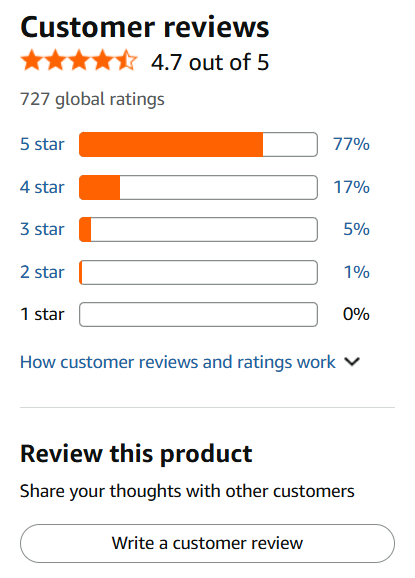
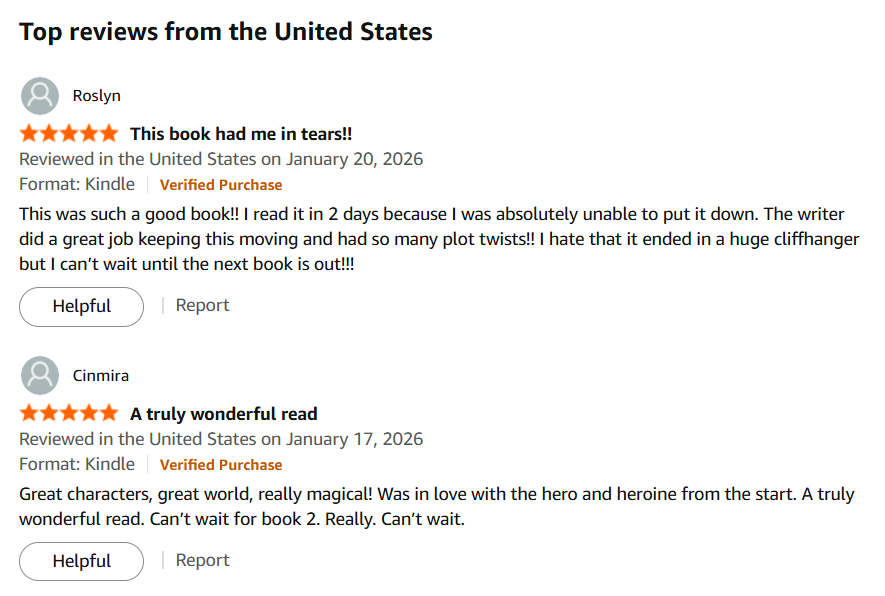
Reviews Build Long Term Author Brands
A single review may feel small, but collectively they shape an author’s reputation. Over time, reviews become part of an author’s digital footprint. They influence speaking opportunities, collaborations, and reader trust.
For authors building brands beyond books, reviews can support expansion into journals, workbooks, merchandise, or companion products. Print on demand platforms like Printful allow authors to extend their message, while reviews validate that the audience is engaged and invested.
Reviews also encourage community. Readers who leave reviews often become repeat buyers, newsletter subscribers, and advocates who recommend books to others.
Encouraging Reviews Without Pressure
Authors can invite reviews without demanding them. A gentle reminder at the end of a book, a follow up email, or a social media post thanking readers for their support can be effective.
Transparency matters. Let readers know how much reviews help, but respect their choice. Authentic engagement always outperforms aggressive tactics.
We believe this ethical approach aligns with everything we teach at TrailHawk Publishing. Publishing is not about shortcuts. It is about building something meaningful and sustainable.
Final Thoughts
Reviews are more than feedback. They are partnership. When readers take a moment to share their experience, they contribute to an author’s ability to thrive.
As authors, we do our part by creating honest, thoughtful work. As readers, leaving a review is one of the simplest ways to ensure those voices continue to be heard.
For more insights on publishing, marketing, and building a sustainable author journey, explore the growing library of resources at trailhawkpublishing.com/blog. Every post is designed to help authors and readers grow together.
Our Affiliate Links:
- Miblart – cover designs and other services
- Bookshop – curated book lists
- Scrivener – writing workflow
- Fiverr – find freelance talent
- Book Bolt – keyword search
- Publisher Rocket – keyword/category search
Our Referral Links:
- Upwork – more freelance talent
- Printful – print-on-demand merch
- Creative Fabrica – fonts and images
Join our community! Follow @TrailHawkPublishing for publishing tips and behind-the-scenes updates: