Disclosure: If you click any of our affiliate links and make a purchase, we will earn a commission (at no extra cost to you).
If you have been in the self-publishing world for even a short amount of time, you have probably heard the name Publisher Rocket floating around writing groups, TikTok AuthorTube channels, and KDP forums. When we first started, we kept seeing people mention it like it was some kind of secret weapon. At the time, we had no idea how much this tool would streamline our workflow, change the way we researched keywords, and help us position our books more strategically on Amazon.
In this post, we are breaking down what Publisher Rocket actually does, how we personally use it, and why it has become one of our favorite author tools. We will also walk you through examples of how we incorporate the data into real publishing decisions.
Before we begin, please note: I am an approved Publisher Rocket affiliate, so if you choose to sign up through my link, I genuinely appreciate the support. It helps keep our author resources free and accessible.
What Publisher Rocket Actually Is
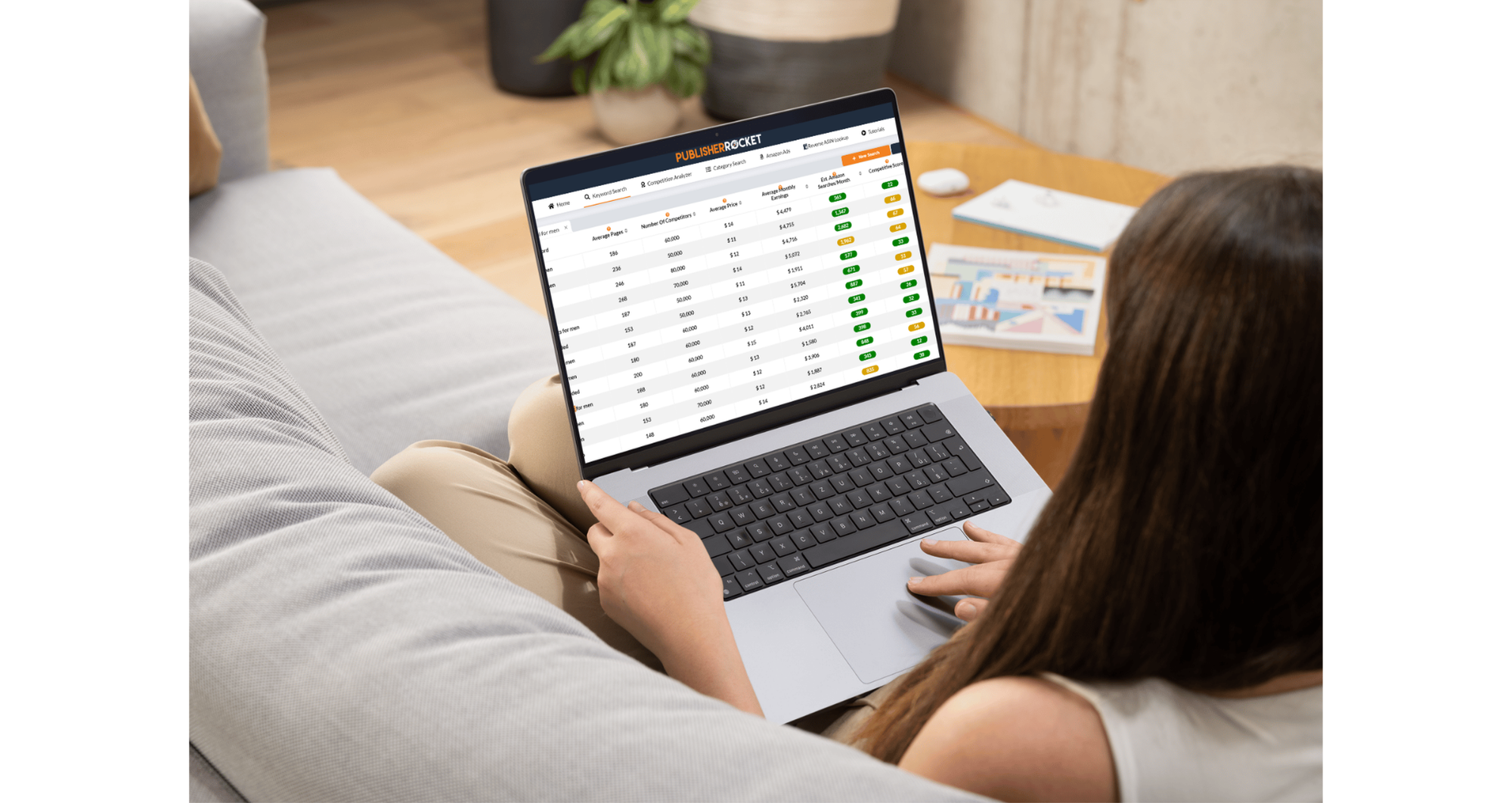
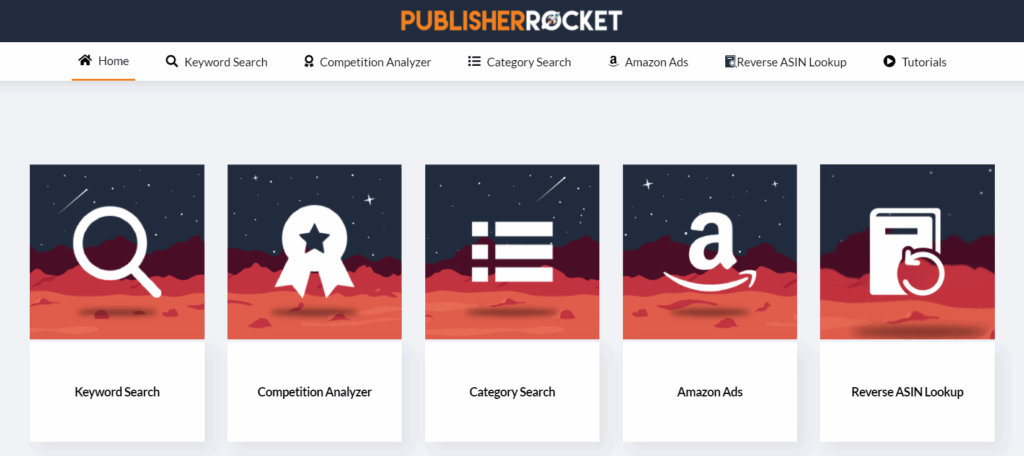
Publisher Rocket is a data research tool for authors who publish on Amazon. Its entire purpose is to help you understand what readers are actively searching for, which keywords are competitive or low competition, which categories are easier to rank in, and what ads might cost if you choose to run Amazon Ads.
If you have ever tried to research keywords manually on the KDP dashboard, you know how guess-heavy that process feels. Publisher Rocket removes that guesswork.
Why Publisher Rocket Matters for Authors
There is a difference between writing a great book and positioning your book to be found. Publisher Rocket helps with the second part. It gives you numbers instead of assumptions, which means you are not blindly throwing keywords into your metadata and hoping they work.
Some of the biggest benefits include:
-
Understanding what real readers are typing into Amazon
-
Discovering keywords with high search volume but lower competition
-
Finding categories that increase your chances of a bestseller tag
-
Seeing what other books in your niche are doing
-
Getting AMS keyword lists in seconds instead of spending hours compiling them
What we love most is how beginner friendly it is. Even if you do not consider yourself a “data person,” the layout feels intuitive.
A Deep Dive Into Each Publisher Rocket Feature
Nestlings, here is where we get into the practical walkthrough so you know exactly what to expect when using the tool.
1. Keyword Research: The Heart of SEO for Authors
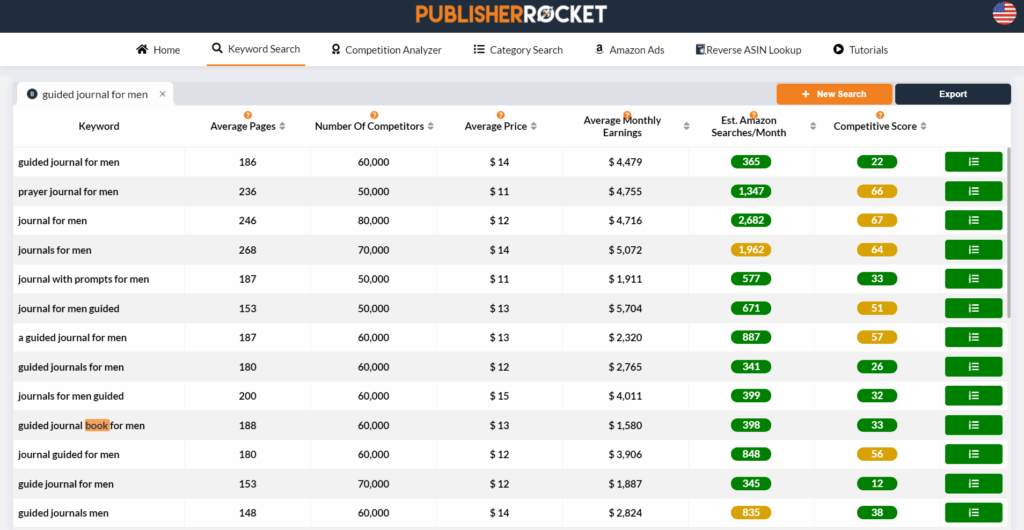
The Keyword Research tool lets you enter a phrase and instantly see:
-
Estimated Amazon search volume
-
Competition level
-
Average earnings of the top books ranking for that keyword
-
Related keywords you may not have considered
How our authors use it for their books:
For the Healing series, we typed in multiple combinations of “healing journal,” “trauma journal,” “emotional health journal,” and even broader phrases like “guided journal for adults.” Some keywords had high search volume but extremely high competition, so we used Rocket to locate angle keywords, such as “healing workbook for men” or “self reflection prompts journal,” which had more manageable competition levels.
Those are the keywords we ended up using in the subtitle, description, and backend metadata.
2. Category Search: Your Shortcut to Better Visibility
If you have ever browsed categories in KDP, you know how overwhelming the list feels. Publisher Rocket solves this by showing:
-
How many sales per day are needed to rank in each category
-
How competitive each category is
-
Which categories your book can qualify for
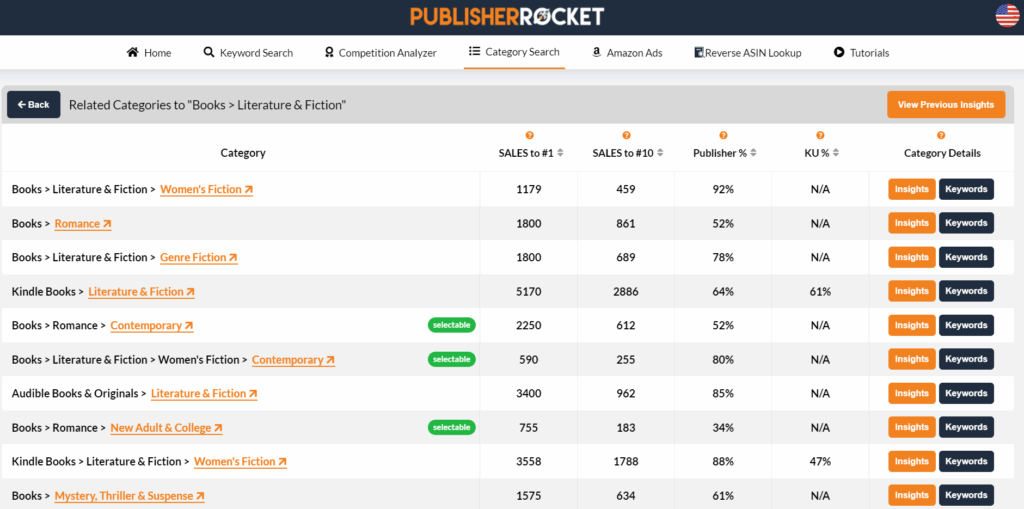
One of the biggest myths in publishing is that you need to hit massive sales numbers to rank. Publisher Rocket shows you that some categories may only require a handful of sales per day. This insight can make the difference between being buried on page 40 versus landing in a bestseller position.
3. Competition Analyzer: Study Your Market Like a Pro
The Competition Analyzer tool gives you insight into books that are ranking for the keywords you want. You can see:
-
Their cover quality
-
Pricing
-
Page count
-
Daily and monthly sales estimates
-
Description style
-
Age of the listing
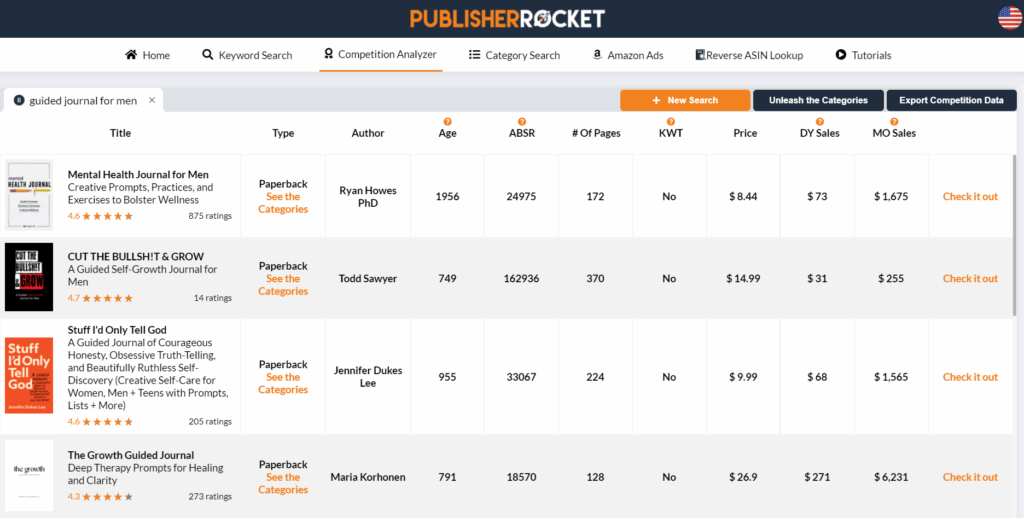
This tool helps you see the reality of your niche so you can position your book more effectively. We always pay attention to cover patterns. If every bestseller in a niche uses bold typography, warm tones, or minimalist imagery, we take note. We do not copy, but pay attention to what readers engage with.
4. AMS Keyword Search: Build Ad Campaigns Fast
If you ever run Amazon Ads, this feature saves hours. Publisher Rocket pulls a massive keyword list from:
-
Titles
-
Subtitles
-
Author names
-
Descriptions
-
Competing books
-
Related keywords
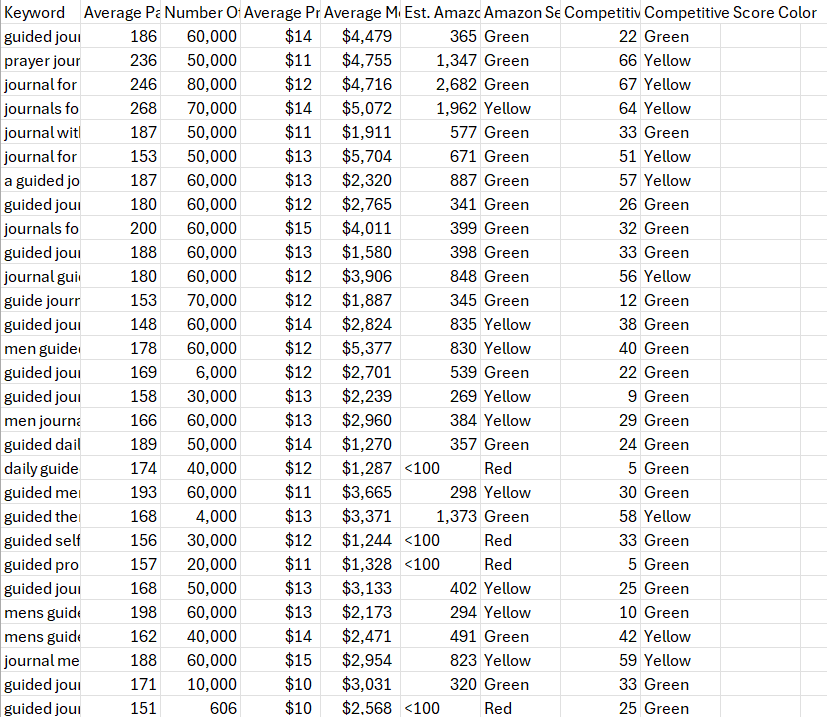
A keyword search exported to an Excel spreadsheet
Even if you are brand new to Amazon Ads, having this list gives you a strong head start without manually collecting hundreds of keywords.
How Publisher Rocket Influenced Our Publishing Process
Here are some real examples of decisions we changed specifically because of Rocket’s data:
-
Subtitle after discovering higher-volume, lower-competition keywords
-
Description to include search phrases readers use instead of poetic language only
-
Priced our books more strategically based on what competitors in our niche were doing
-
Created targeted AMS ad campaigns that brought immediate impressions and clicks
Before using Rocket, we were publishing based on intuition. After using Rocket, we were publishing based on data.
Who Publisher Rocket Is Best For
Publisher Rocket is ideal for:
-
New authors who want to avoid trial-and-error
-
Experienced authors who want to level up their metadata
-
Journal creators
-
Low content and medium content creators
-
Novelists writing in competitive genres
-
Nonfiction authors who rely heavily on search traffic
-
Authors planning Amazon Ads campaigns
Even if you only publish a few books per year, it pays for itself quickly because it saves so much time.
Final Thoughts
Publisher Rocket is not a magic button for instant sales, but it is an invaluable tool that gives authors the information we need to make informed publishing decisions. Instead of guessing which keywords to use or spending hours searching through category lists, we get direct access to real market data. That alone has made a major difference in my publishing journey.
If you want to explore Publisher Rocket for yourself, here is my affiliate link:
Publisher Rocket
It is one of the tools we recommend most often because it genuinely simplifies the process and empowers authors to publish smarter, not harder.
If you want help with keyword strategy or you would like me to review your metadata after using Publisher Rocket, feel free to reach out. We love supporting other authors on this journey.

Our Affiliate Links:
- Miblart – cover designs and other services
- Bookshop – curated book lists
- Scrivener – writing workflow
- Fiverr – find freelance talent
- Book Bolt – keyword search
- Publisher Rocket – keyword/category search
Our Referral Links:
- Upwork – more freelance talent
- Printful – print-on-demand merch
- Creative Fabrica – fonts and images
Join our community! Follow @TrailHawkPublishing for publishing tips and behind-the-scenes updates: