
Disclosure: If you click any of our affiliate links and make a purchase, we will earn a commission (at no extra cost to you).
If there is one topic that makes even confident authors squirm, it is asking for reviews. We pour our hearts into our books, release them into the world, and then suddenly we are expected to politely nudge readers to talk about them publicly. It can feel vulnerable, uncomfortable, and even a little needy if we let it.
The truth is this:
Asking for reviews is not begging.
It is part of publishing.
Reviews are how books gain visibility, credibility, and momentum. When we learn how to ask with clarity and integrity, the process becomes far less awkward and far more effective.
This guide walks through how to ask for reviews in ways that feel natural, ethical, and aligned with your voice as an author.
Why Asking Feels So Hard for Authors
Most authors struggle with review requests for emotional reasons, not logistical ones. We fear rejection. We worry about bothering people. We dread the possibility of negative feedback.
But reviews are not a judgment of our worth. They are reader reactions to a specific book at a specific moment. Separating our identity from the product helps remove much of the anxiety.
A helpful mindset shift is this:
Reviews are not for you.
They are for future readers.
When we ask for reviews, we are helping other readers decide whether a book is right for them.

Ask at the Right Moment
Timing matters. The best time to ask for a review is when a reader has just finished your book or expressed appreciation for it.
Good moments include:
-
After a reader emails you to say they enjoyed the book
-
At the end of an ARC or beta reader period
-
Inside the back matter of the book itself
-
In a post purchase email if you sell directly
Avoid asking immediately after release with no context. Readers need time to read and process before they can review honestly.
Inside your book, include a short and friendly request. Keep it simple and pressure free.
Example:
“If this book helped you, I would be grateful if you shared a short review. Your words help other readers find stories like this one.”
Keep the Ask Simple and Specific
One reason asking feels awkward is because authors overexplain. A review request does not need a paragraph of justification.
Instead of:
“It would really mean the world to me and help my career and I worked so hard on this…”
Try:
“If you enjoyed this book, a short review on Amazon or Goodreads helps other readers discover it.”
Specific platforms matter. Tell readers where to leave the review so they are not confused or overwhelmed.
If you publish through Amazon KDP, linking directly to the review page reduces friction. Tools like Publisher Rocket can help you understand where reviews matter most for your book category and keywords.
Use Your Back Matter Strategically
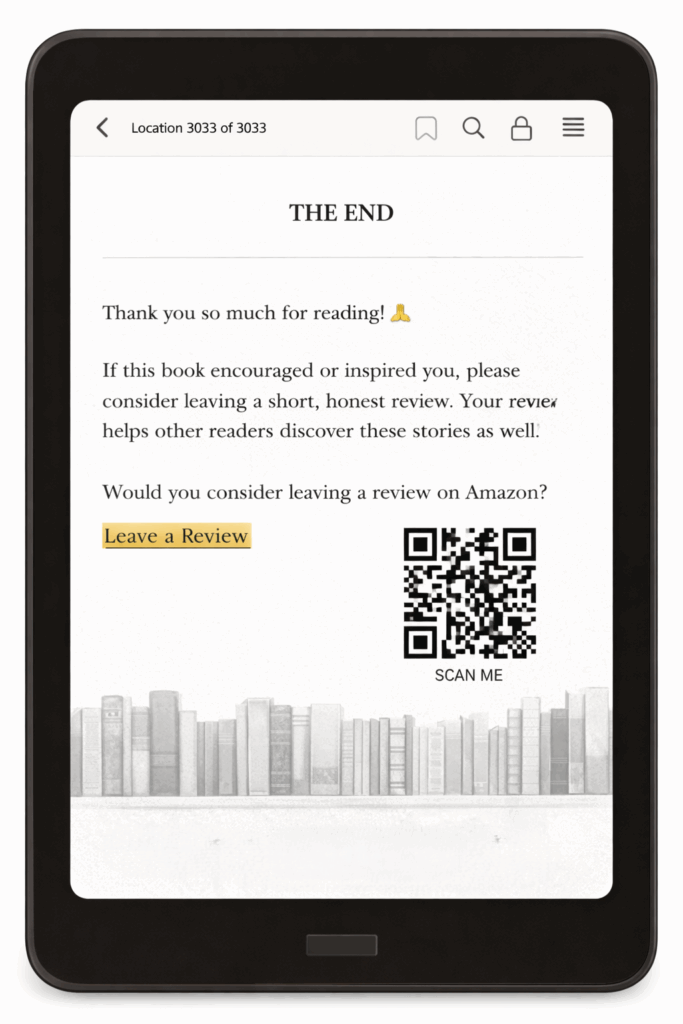
One of the least awkward places to ask for reviews is inside the book itself. By the time a reader reaches the final pages, they have already committed their time and attention.
Include:
-
A thank you message
-
A short review request
-
A direct link or QR code if applicable
This works especially well for nonfiction, journals, and guided workbooks where readers often feel personally connected to the content.
If you formatted your book using tools like Scrivener or outsourced layout through Fiverr or Reedsy professionals, adding this section is simple and effective.
Ask Your Email List the Right Way
Your email subscribers already chose to hear from you. That makes them one of the safest groups to ask.
The key is tone.
Instead of demanding reviews, invite participation.
Example:
“Several readers have asked how they can support this book. One of the most helpful ways is by leaving an honest review if you feel comfortable doing so.”
This framing removes pressure and reinforces choice.
If you use an email platform connected to lead magnets or publishing resources, you can include review requests alongside helpful content rather than making them the sole focus.
Normalize Honest Reviews, Not Perfect Ones
One major fear authors have is receiving less than five star reviews. But authenticity matters more than perfection.
When asking for reviews, avoid language that suggests only positive feedback is acceptable. That can discourage readers from responding at all.
Say:
“An honest review helps readers decide if this book is right for them.”
This builds trust with readers and platforms alike.
Use Social Media Without Overdoing It
Social media is useful for reminding readers about reviews, but subtlety matters.
Good approaches include:
-
Sharing a reader review and thanking them
-
Posting a reminder during launch week
-
Including review requests in launch recap posts
Avoid daily reminders or guilt based messaging.
If you plan your content using tools like Printful for branded graphics or Upwork freelancers for social media scheduling, you can incorporate review reminders without sounding repetitive.

Remember That Silence Is Not Rejection
Many readers love books but never leave reviews. That is normal. It does not mean they disliked your work or ignored your request.
Celebrate every review you receive. One thoughtful review is more valuable than ten rushed ones.
Over time, reviews accumulate naturally as your audience grows and your backlist expands.
Asking Gets Easier With Practice
The first time asking for reviews feels uncomfortable. The second time feels manageable. By the tenth time, it feels routine.
As authors, we already do hard things. Asking for reviews is simply another skill we learn along the way.
If you want deeper guidance on launching and positioning your books for long term visibility, explore our other posts on Trailhawk Publishing, including:
-
The Power of Reviews: How Readers Help Authors Thrive
Reviews are not about ego. They are about connection, discoverability, and helping the right readers find the right books.
And when we remember that, the awkwardness starts to fade.
Our Affiliate Links:
- Miblart – cover designs and other services
- Bookshop – curated book lists
- Scrivener – writing workflow
- Fiverr – find freelance talent
- Book Bolt – keyword search
- Publisher Rocket – keyword/category search
Our Referral Links:
- Upwork – more freelance talent
- Printful – print-on-demand merch
- Creative Fabrica – fonts and images
Join our community! Follow @TrailHawkPublishing for publishing tips and behind-the-scenes updates: