
Disclosure: If you click any of our affiliate links and make a purchase, we will earn a commission (at no extra cost to you).
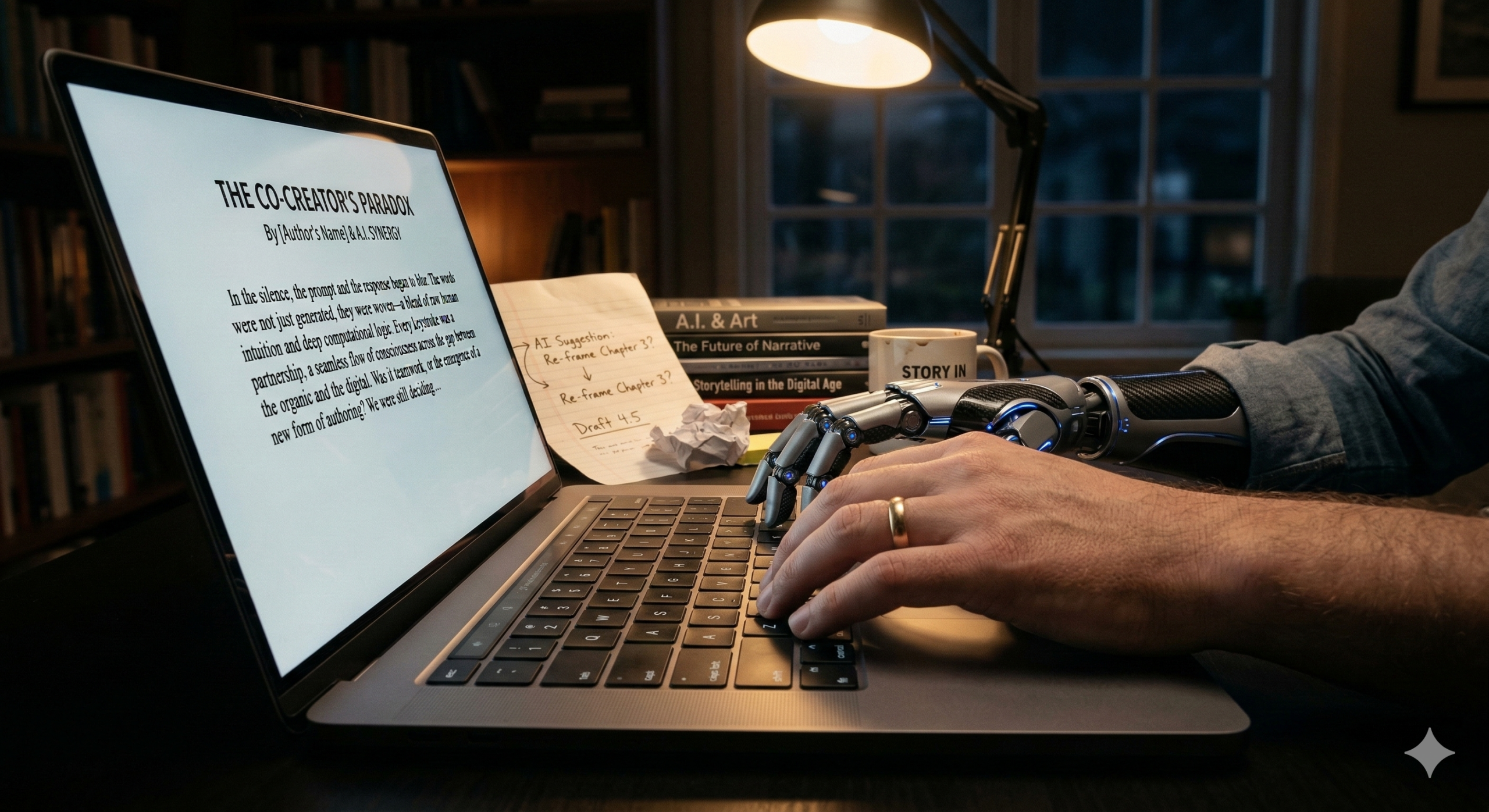
Artificial intelligence (AI) has been making waves in almost every industry, and writing is no exception. From blog posts and novels to marketing copy, AI-powered tools are now capable of generating entire pieces of content in minutes.
For many writers, this feels like a revolution. For others, it feels like a threat.
The controversy around AI in the writing space isn’t just hype—it’s real. Authors, editors, and publishers are grappling with questions like:
-
Can AI really “write”?
-
Will it replace human creativity?
-
How ethical is it to use AI for books or articles?
In this post, we’ll explore the debate, the opportunities, and the practical ways authors are using AI responsibly today.
What AI Can Do in Writing Today?
AI writing tools have advanced rapidly. Some of the most popular platforms include:
-
ChatGPT – AI conversation and content generation
-
Jasper AI – Marketing copy, blog posts, and long-form content
-
Writesonic – Blog writing, ads, and social content
These tools can:
-
Generate blog posts or articles quickly
-
Draft marketing copy and product descriptions
-
Suggest story ideas and character development
-
Proofread and edit existing text
-
Summarize or rewrite content for clarity
Some AI tools even claim to create full novels or short stories with minimal human input.

The Controversy: Is AI Replacing Human Writers?
There are two sides to this debate:
1. The Critics
Many writers fear that AI will replace human creativity. Common concerns include:
-
AI-generated content may lack true originality or voice
-
Overuse could homogenize writing, making everything sound “the same”
-
Ethical concerns around plagiarism or copyright infringement
-
Job displacement for freelance writers and editors
Some authors have even started refusing to work with AI because they feel it undermines the craft of writing.
2. The Advocates
On the other hand, some writers see AI as a tool, not a replacement.
AI can:
-
Reduce writer’s block
-
Speed up tedious tasks (like research or formatting)
-
Provide inspiration for plotlines, marketing copy, or headlines
-
Help non-native English speakers produce polished content
Many successful authors use AI to augment their writing, while still maintaining their own voice and creativity.
Practical Ways Authors Are Using AI Today
Instead of seeing AI as a threat, many writers use it responsibly. Here’s how:
1. Idea Generation
AI can suggest:
-
Plot twists
-
Character names
-
Story outlines
This is especially helpful for writers struggling with creative blocks.
2. Editing & Proofreading
AI can identify:
-
Grammar mistakes
-
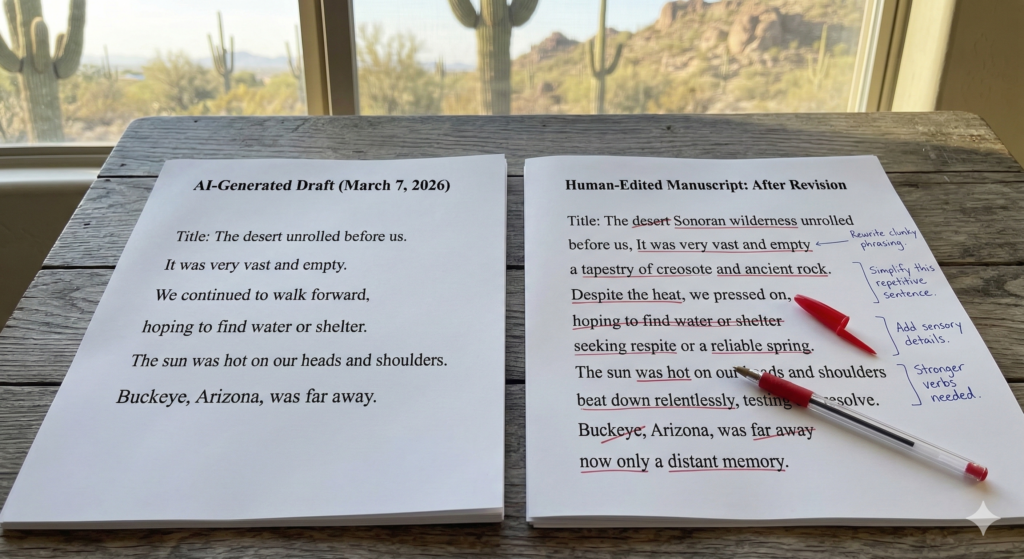
Awkward phrasing
-
Passive voice overuse
Tools like Grammarly or ProWritingAid are popular among authors who want a first-pass edit before hiring a human editor.
3. Marketing and Copywriting
AI tools are commonly used for:
-
Writing blog posts
-
Creating newsletter content
-
Generating social media captions
This frees up time so authors can focus on writing the actual book.
4. Drafting Long-Form Content
Some authors experiment with AI to draft a first version of a chapter. They then rewrite, edit, and expand it in their own voice.
This approach reduces time spent on initial drafts without fully relying on AI for final content.
Ethical Considerations for Authors Using AI
If you decide to integrate AI into your writing workflow, consider:
-
Transparency: Should you disclose AI assistance to readers?
-
Plagiarism: AI can sometimes mimic existing content; always check for originality.
-
Quality control: AI can produce errors or inconsistencies that need human editing.
-
Voice consistency: Over-reliance on AI can make your writing sound generic.
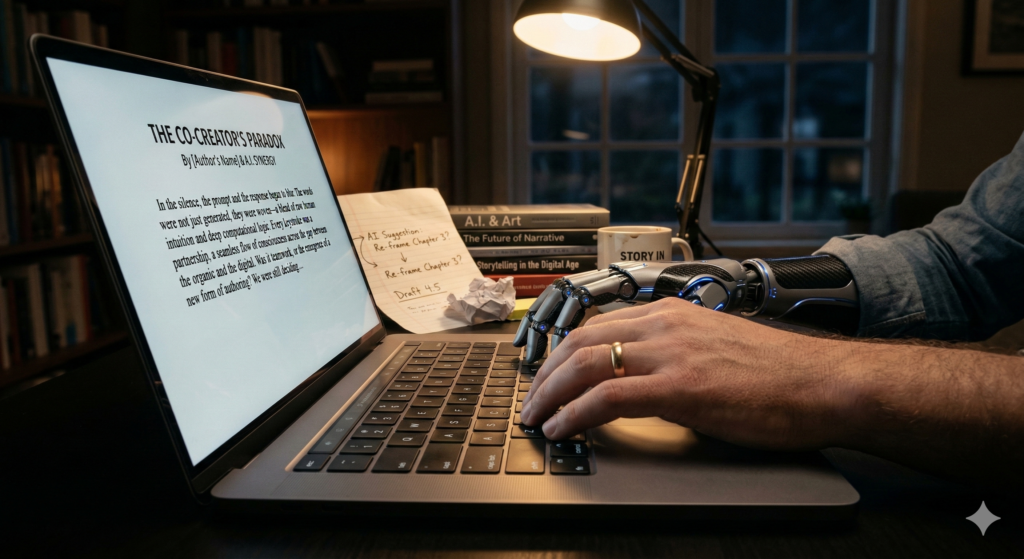
A best practice is to use AI as a collaborator, not a replacement.
The Future of AI in Writing
AI isn’t going away. In fact, it will likely become a standard part of the writer’s toolkit in the coming years.
Instead of fearing it, authors can:
-
Learn how to use AI responsibly
-
Focus on human creativity and voice
-
Combine AI speed with personal insight for unique content
In short: AI will change the writing process, but it can’t replace the emotional depth, personal experience, and storytelling skill that humans bring.
Final Thoughts
AI in writing is controversial—and it should be. It challenges traditional notions of creativity, authorship, and originality.
But rather than replacing writers, AI can be a powerful ally. Used responsibly, it can help you:
-
Generate ideas faster
-
Reduce repetitive tasks
-
Polish drafts before hiring editors
-
Focus on storytelling instead of formatting or research
The key is balance.
Use AI for what it does best, but never forget that the human touch is what makes writing resonate with readers.
Our Affiliate Links:
- Miblart – cover designs and other services
- Bookshop – curated book lists
- Scrivener – writing workflow
- Fiverr – find freelance talent
- Book Bolt – keyword search
- Publisher Rocket – keyword/category search
Our Referral Links:
- Upwork – more freelance talent
- Printful – print-on-demand merch
- Creative Fabrica – fonts and images
Join our community! Follow @TrailHawkPublishing for publishing tips and behind-the-scenes updates: