
Disclosure: If you click any of our affiliate links and make a purchase, we will earn a commission (at no extra cost to you).

Today’s readers have more choices than ever, making first impressions increasingly important.
You have probably experienced it yourself.
You download a sample, buy a new book, read the first few chapters, and then quietly move on to something else. The book might not have been terrible. It simply failed to keep your attention.
At TrailHawk Publishing, we believe this is one of the biggest challenges facing today’s authors. Readers have more choices than ever before, and that abundance has fundamentally changed reading habits. While excellent storytelling still matters, modern readers often decide much faster whether a book deserves their time.
If you’re an author, understanding why readers abandon books can help you write stronger stories, create better reader experiences, and set realistic expectations for today’s publishing landscape.
Let’s explore why readers are putting books down more quickly than ever before and what you can do about it.
Readers Have Endless Options
Not long ago, readers might have visited a bookstore, selected one or two books, and committed to finishing them.
Today, thousands of books are available instantly.
With Kindle Unlimited, library apps, eBooks, audiobooks, independent bookstores, online retailers, and subscription services, readers are never more than a few clicks away from another title.
That abundance changes behavior.
If a book fails to capture interest early, many readers simply move on because another option is immediately available.
For authors, this means every chapter needs to earn the reader’s attention.
Attention Spans Are Competing With Everything Else
Books no longer compete only with other books.
They compete with:
- streaming services
- YouTube
- podcasts
- social media (give us a follow on our socials if you’re not already!)
- video games
- news
- mobile apps
Modern readers are constantly presented with new entertainment choices.
This does not mean people are incapable of reading long books. Popular fantasy series and lengthy historical novels continue to attract devoted audiences.
It does mean readers have become more selective about where they invest their time.
A slow opening that may have worked twenty years ago could lose readers much faster today.
The Opening Chapters Matter More Than Ever
Many readers decide within the first chapter whether they want to continue.
Some decide within the first few pages.
This doesn’t mean you need explosions, dramatic twists, or nonstop action immediately.
It does mean readers should quickly understand why they should care.
Strong openings often establish:
- an interesting character
- meaningful conflict
- unanswered questions
- emotional investment
- curiosity about what happens next
If readers struggle to understand the story’s direction early, they may not continue long enough to discover where it eventually leads.

A compelling opening encourages readers to keep turning the page.
Readers Expect Professional Presentation
Strong writing alone is not always enough.
Today’s readers also notice:
- formatting
- grammar
- cover design
- typography
- spacing
- editing quality
A book filled with distracting formatting issues or noticeable editing mistakes can lose credibility quickly.
Professional editing remains one of the best investments an author can make. Many independent authors work with editors through platforms like Upwork or Fiverr to polish manuscripts before publication.
Likewise, compelling cover design communicates professionalism before a single page is read. Designers such as Miblart specialize in covers that align with current genre expectations.
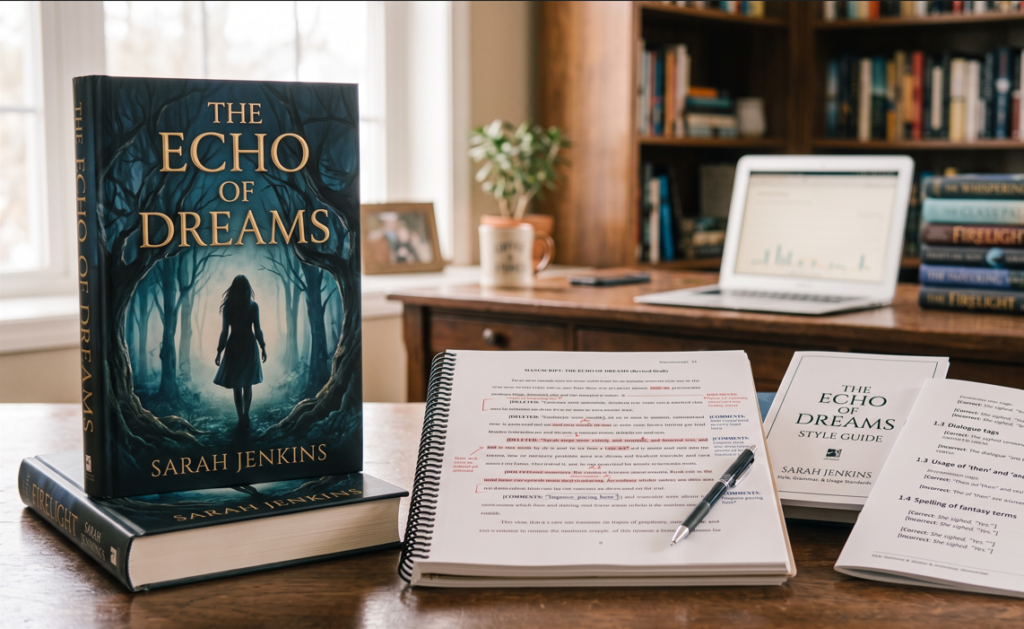
Presentation influences whether readers give your book a chance.
Readers Know Exactly What They Like
Modern readers have become remarkably good at identifying their preferences.
They actively search for:
- favorite tropes
- preferred genres
- specific themes
- favorite character types
- pacing styles
Because readers know what they enjoy, books that promise one experience but deliver another often receive lower engagement.
This makes accurate metadata incredibly important.
Research tools like Publisher Rocket help authors identify keywords and categories that better match reader searches, allowing books to reach audiences who are genuinely interested in that type of story.

Matching your book to the right audience improves reader satisfaction.
Slow Pacing Can Lose Readers
Pacing does not mean writing quickly.
It means maintaining forward momentum.
Readers enjoy stories that continually give them reasons to keep turning pages.
Common pacing issues include:
- repetitive scenes
- excessive exposition
- unnecessary backstory
- dialogue that doesn’t move the story forward
- scenes with little conflict
Sometimes removing a few unnecessary pages creates a significantly stronger reading experience.
If you’re struggling with pacing, you may enjoy our article “How Long Should a Book Chapter Be?” where we discuss how chapter structure influences reader engagement.
Social Media Has Changed Reader Expectations
BookTok, Bookstagram, YouTube reviews, Goodreads, and online reading communities expose readers to hundreds of recommendations every week.
This creates excitement, but it also raises expectations.
Readers often begin books expecting immediate emotional investment because they have heard enthusiastic reviews.
If those expectations are not met quickly, they may move on to the next recommendation.
At the same time, social media has encouraged readers to DNF books more freely.
“DNF” stands for “Did Not Finish,” and many readers now view stopping an unenjoyable book as perfectly acceptable rather than feeling obligated to finish every title they begin.
Poor Genre Expectations Can Lead to Abandonment
Readers choose books for specific experiences.
Someone looking for a fast-paced thriller may become frustrated if the story unfolds like literary fiction.
Likewise, readers expecting a lighthearted romance may feel disappointed if the novel focuses heavily on darker themes.
Clear marketing helps prevent these mismatches.
Your cover, description, keywords, and categories should accurately communicate what readers can expect.
Strong Organization Helps Writers Create Better Books
Many pacing problems begin during drafting.
Keeping scenes organized allows authors to evaluate story flow more objectively.
Writing software like Scrivener helps many authors organize chapters, research, notes, and revisions throughout the writing process.
For authors creating journals, planners, or low-content books, BookBolt offers research and design tools, and you can save 20% using the code TRAILHAWK.
Readers Want Emotional Investment
Beautiful prose alone rarely keeps readers engaged.
Readers want to care.
They want to worry about characters.
They want unanswered questions.
They want meaningful stakes.
Whether you’re writing fiction or nonfiction, readers need a reason to continue.
Emotion creates that reason.
This is one reason many readers enjoy annotating books. Highlighting memorable passages, writing reactions in the margins, and marking favorite quotes creates deeper engagement with stories. If you’re interested in this trend, take a look at our article “Why Readers Love Annotating Books.”
Marketing Brings Readers to the Book. The Story Keeps Them There.
Many authors spend enormous effort getting readers to click “Buy.”
That work matters.
But after the purchase, the book itself becomes responsible for keeping readers engaged.
Successful publishing combines:
- discoverability
- professional presentation
- strong storytelling
- reader expectations
- effective marketing
We explored this relationship further in our article “Why Some Self-Published Books Fail Even With Good Writing,” where we discuss how business decisions can influence a book’s success just as much as the manuscript itself.
Final Thoughts
Readers are abandoning books more quickly today because they have more choices, less available attention, and higher expectations than ever before.
That may sound discouraging, but it also creates opportunities.
Authors who understand modern reading habits can make intentional decisions about pacing, presentation, editing, marketing, and reader experience.
At TrailHawk Publishing, we encourage authors to view every manuscript through the eyes of the reader. Ask yourself whether each chapter creates curiosity, whether every scene serves a purpose, and whether your book delivers the experience your audience expects.
The goal is not to make every reader finish your book.
The goal is to connect your book with the readers who will genuinely love it.
As you continue refining your craft, remember that every manuscript teaches something valuable. The more you understand your audience, the better equipped you’ll be to write books that readers are excited to recommend to others.

Great storytelling keeps readers invested from the first page to the last.
We’d Love to Hear From You
Have you ever stopped reading a book before finishing it? What made you put it down, or what keeps you turning the pages? Share your thoughts in the comments below. We’d love to hear your perspective!
Our Affiliate Links:
- Miblart – cover designs and other services
- Bookshop – curated book lists
- Scrivener – writing workflow
- Fiverr – find freelance talent
- Book Bolt – keyword search
- Publisher Rocket – keyword/category search
Our Referral Links:
- Upwork – more freelance talent
- Printful – print-on-demand merch
- Creative Fabrica – fonts and images
Join our community! Follow @TrailHawkPublishing for publishing tips and behind-the-scenes updates: